


The automotive industry has always been driven by a core mission: to provide safe and reliable transportation. While passive safety features like seatbelts and airbags have saved countless lives, the modern era is defined by a new frontier in vehicle protection. The most significant advancements in car safety today are not about surviving a crash but about preventing it from happening in the first place. This is the reality of advanced driver-assistance systems (ADAS), an interconnected suite of technologies that act as a vigilant co-pilot, constantly monitoring the vehicle’s surroundings and intervening when necessary. This extensive article will delve deep into the technological marvels that are shaping the future of automotive safety, exploring the key features to look for, the independent organizations that rate vehicle safety, and an in-depth review of the top models that are leading the way. We will provide a comprehensive guide to help you find a vehicle that not only gets you from point A to B but does so with an unprecedented level of security and peace of mind.
The Evolution of Automotive Safety
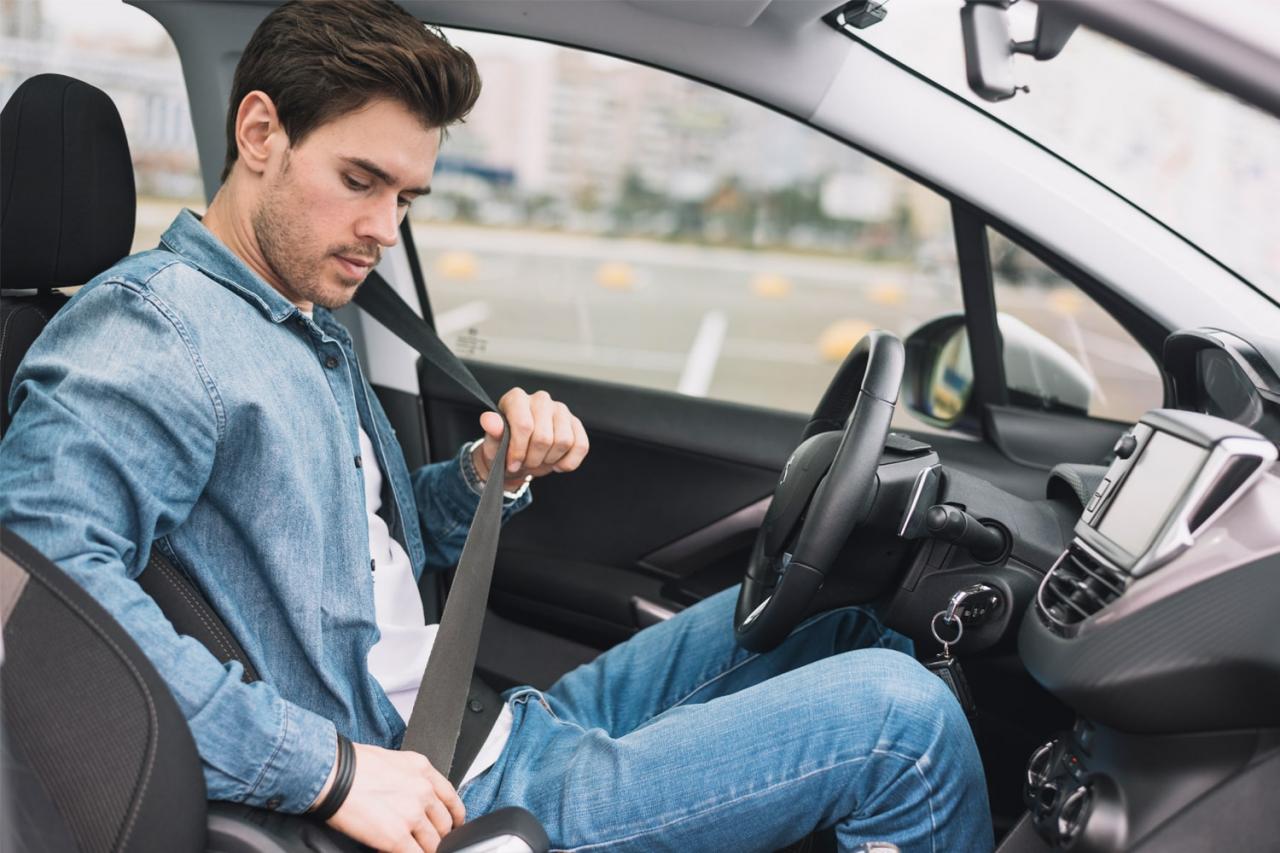
Automotive safety has evolved in two distinct phases: passive and active. Passive safety features, such as crumple zones, reinforced chassis, and a multitude of airbags, are designed to protect occupants during a crash. While these remain critically important, they are a reactive form of safety. The true revolution lies in active safety, which focuses on preventing a collision from occurring at all. The integration of sensors, cameras, radar, and sophisticated software is what makes active safety a reality, turning the car into an intelligent system that can react faster and more consistently than a human driver.
Key Advanced Safety Features
For the average consumer, the sheer number of advanced safety features can be overwhelming. However, a few key systems are now considered standard for any vehicle claiming to have advanced safety.
- A. Automatic Emergency Braking (AEB):This is arguably the most critical and impactful of all ADAS features. AEB uses a combination of radar and cameras to detect a potential collision with a vehicle, pedestrian, or cyclist ahead. If the system detects a high-risk scenario and the driver fails to react, it will automatically apply the brakes to avoid or mitigate the crash. It is an invaluable technology that has been proven to significantly reduce rear-end collisions and pedestrian injuries.
- B. Lane Departure Warning and Lane Keeping Assist:This system is designed to prevent accidents caused by distracted or fatigued driving. Lane Departure Warning alerts the driver if the vehicle begins to drift out of its lane without the turn signal being activated. Lane Keeping Assist takes this a step further by gently steering the vehicle back into the center of its lane.
- C. Blind-Spot Monitoring and Rear Cross-Traffic Alert:These systems are essential for preventing collisions that occur during lane changes or when backing out of a parking space. Blind-Spot Monitoring uses sensors to detect vehicles in the driver’s blind spots and provides a visual or audible warning. Rear Cross-Traffic Alert warns the driver of approaching vehicles when the car is in reverse.
- D. Adaptive Cruise Control:More than a convenience feature, adaptive cruise control is a sophisticated safety technology. It automatically adjusts the vehicle’s speed to maintain a safe following distance from the vehicle ahead. The most advanced systems can bring the car to a complete stop and resume acceleration in stop-and-go traffic, greatly reducing driver fatigue and the risk of a rear-end collision.
- E. Forward Collision Warning (FCW):This system alerts the driver to an impending collision with the vehicle in front. While AEB can apply the brakes, FCW serves as a crucial initial warning, giving the driver time to react and take control.
- F. 360-Degree Camera Systems:For a comprehensive view of the vehicle’s surroundings, many cars now offer a 360-degree camera system. This system stitches together images from multiple cameras to provide a virtual overhead view, making parking and navigating tight spaces incredibly easy and safe.
The Role of Independent Safety Ratings
When choosing a car, it is essential to look beyond the manufacturer’s claims and rely on the objective data provided by independent organizations. The most influential of these are the National Highway Traffic Safety Administration (NHTSA) and the Insurance Institute for Highway Safety (IIHS).
- A. The National Highway Traffic Safety Administration (NHTSA):The NHTSA’s star rating system is widely recognized. It conducts rigorous crash tests, including frontal crashes, side crashes, and rollover risk. A 5-star rating is the highest and indicates a vehicle has performed exceptionally well in these tests. The NHTSA also evaluates a vehicle’s crash avoidance technology, such as AEB and FCW, providing a comprehensive assessment.
- B. The Insurance Institute for Highway Safety (IIHS):The IIHS provides two top-tier awards: “Top Safety Pick” and the more coveted “Top Safety Pick+.” To earn these awards, a vehicle must excel in a series of crashworthiness tests, including small overlap frontal, moderate overlap frontal, side, roof strength, and head restraint tests. They also rigorously test headlight performance and the effectiveness of crash prevention systems. A car that earns a “Top Safety Pick+” award is a testament to its exceptional safety credentials.
Top Vehicles with Advanced Safety Features
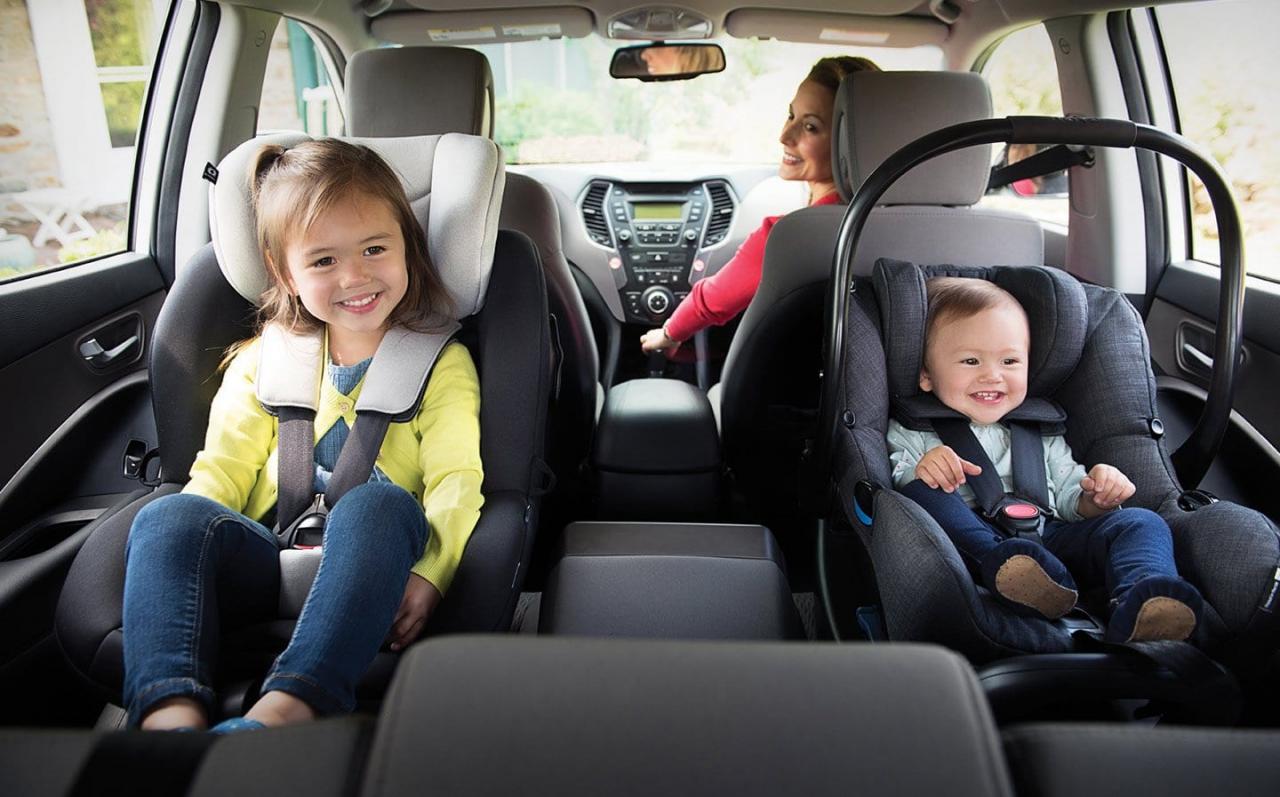
In 2025, a number of vehicles have risen to the top, consistently earning the highest safety ratings and offering a comprehensive suite of advanced safety features as standard.




1. The Subaru Ascent
Subaru has long been a leader in safety, and the Ascent is a perfect example of this commitment. It comes standard with Subaru’s EyeSight® Driver Assist Technology, which includes automatic pre-collision braking, adaptive cruise control, and lane keep assist. Its all-wheel-drive system also provides superior traction and stability, which is a key factor in accident prevention.
2. The Hyundai Palisade
The Hyundai Palisade is a top-rated family SUV that consistently earns the highest safety awards from the IIHS. It is equipped with a comprehensive suite of safety features, including Forward Collision-Avoidance Assist with Pedestrian Detection, Blind-Spot Collision-Avoidance Assist, and Lane Following Assist. Its robust body structure and a full complement of airbags provide excellent passive protection.
3. The Toyota Highlander
The Toyota Highlander is a perennial favorite for families, and its reputation for reliability is matched by its commitment to safety. The 2025 model comes standard with Toyota Safety Sense™ 2.5+, a suite of active safety technologies that includes a Pre-Collision System with Pedestrian Detection, Lane Departure Alert with Steering Assist, and Full-Speed Range Dynamic Radar Cruise Control. Its crashworthiness ratings are consistently excellent.
4. The Volvo XC90
Volvo has been a pioneer in automotive safety for decades, and the XC90 is a testament to that legacy. It is often the benchmark against which other cars’ safety is measured. The XC90’s safety features are extensive, including advanced systems like Run-off Road Mitigation, which helps prevent a vehicle from leaving the road, and Oncoming Lane Mitigation, which can steer the car back into its lane if it drifts into the path of an oncoming vehicle.
5. The Kia Telluride
The Kia Telluride, much like its corporate cousin the Hyundai Palisade, is a standout in the family SUV segment. Its sophisticated safety system has earned it top safety awards. The Telluride’s safety suite includes Forward Collision-Avoidance Assist, a Blind-Spot View Monitor, and Safe Exit Assist, which prevents a passenger from opening their door into oncoming traffic if a vehicle is approaching.
6. The Honda Odyssey
While SUVs dominate the list, the minivan is still a prime choice for families, and the Honda Odyssey is a leader in its class. It often receives the highest safety ratings and offers a plethora of family-friendly features. The Odyssey’s standard Honda Sensing® suite includes a Collision Mitigation Braking System, Road Departure Mitigation System, and Adaptive Cruise Control. Its design and features make it a safe and practical choice.
The Future of Automotive Safety
The current suite of ADAS technologies is just the beginning. The future of automotive safety will be driven by a convergence of advanced sensors, artificial intelligence, and vehicle-to-everything (V2X) communication. AI will enable vehicles to make more sophisticated decisions, predicting the behavior of other road users and taking preemptive action to avoid an accident. V2X will create a network of communication between cars and their surroundings, providing real-time information about hazards, traffic, and road conditions. This interconnected system holds the promise of a future with zero traffic fatalities, a goal that was once considered impossible.
Conclusion
In the modern automotive landscape, a vehicle’s worth is no longer measured solely by its performance, comfort, or style. The true currency is safety, and the most valuable vehicles are those that provide an advanced, multi-layered defense system designed to protect occupants from every angle. The integration of advanced driver-assistance systems (ADAS) has fundamentally changed the paradigm from merely protecting occupants during a crash to actively preventing accidents from occurring in the first place. These technologies, once found only on premium models, are now standard on many mainstream family vehicles, making top-tier safety more accessible than ever before.
The key to making an informed decision is a holistic approach. It’s not enough to simply look for a 5-star rating. A truly safe vehicle combines a strong, well-engineered body structure with a comprehensive suite of active safety features. The best cars for families in 2025, such as the Subaru Ascent, Hyundai Palisade, and Volvo XC90, exemplify this balance. They have been rigorously tested and proven to perform exceptionally well in a variety of crash scenarios, while their advanced ADAS suites act as a vigilant co-pilot, helping to mitigate the risk of an accident before it ever happens.
Ultimately, choosing a vehicle with superior safety features is one of the most significant and responsible decisions a family can make. It is an investment not just in a car, but in the well-being and future of your loved ones, ensuring that every journey, whether a short trip to the grocery store or a long cross-country adventure, is as safe as it can possibly be. The market offers an array of incredible options, and with the right research, finding the perfect combination of safety, utility, and comfort for your family is well within reach. This commitment to advanced safety is not just a trend; it is the new standard, paving the way for a future where our roads are safer for everyone.
