

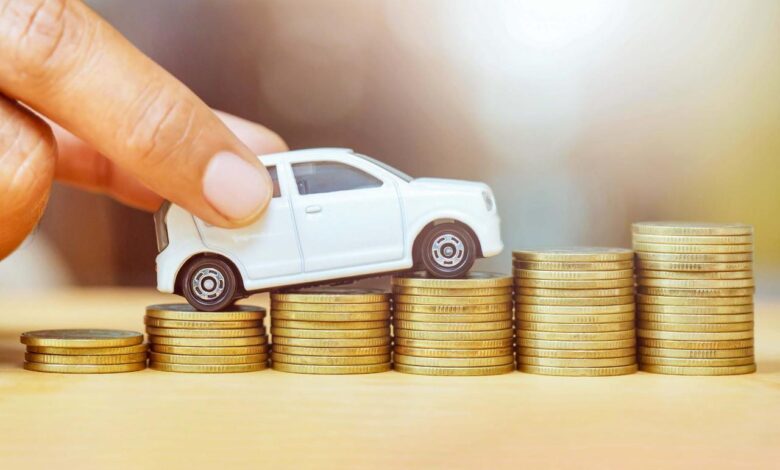
When purchasing a new or used vehicle, a significant factor that savvy consumers consider is its resale value. The moment a car is driven off the dealership lot, its value begins to depreciate. However, not all vehicles lose their value at the same rate. Understanding which cars hold their worth over time can save you thousands of dollars when it’s time to sell or trade in. High resale value is a hallmark of a wise investment, indicating a car’s long-term reliability, a strong brand reputation, and high market demand. This extensive guide will delve into the critical factors that influence a car’s resale value, explore the top models that consistently outperform their peers, and provide essential tips for maintaining your vehicle’s worth. By the end, you’ll be equipped with the knowledge to make a purchase that not only meets your needs today but also protects your financial investment for tomorrow.
What is Vehicle Depreciation?
Depreciation is the single largest cost of owning a new car, far exceeding fuel, maintenance, or insurance. It is the natural decline in a vehicle’s value over time. While every car depreciates, the rate varies dramatically. A car with a low depreciation rate is one that retains a larger percentage of its original sticker price after three, five, or even ten years. For example, if you buy a car for $30,000 and sell it five years later for $18,000, its depreciation is $12,000. If a similar car sells for $15,000, its depreciation is $15,000, a significant difference that impacts your total cost of ownership.
Key Factors Influencing a Car’s Resale Value
Several interconnected elements determine a vehicle’s ability to maintain its value in the marketplace. Recognizing these factors is crucial for making an informed purchase.
- A. Brand Reputation and Reliability:Brands that have a long-standing reputation for reliability and quality, such as Toyota, Honda, and Subaru, consistently see their vehicles hold strong resale values. Consumers trust these brands to build durable cars that require minimal costly repairs. A strong track record for dependability reassures future buyers that they are making a safe bet.
- B. Market Demand and Popularity:A car that is in high demand will naturally have a higher resale value. This is driven by trends and consumer preferences. For example, in recent years, SUVs and pickup trucks have dominated the market, leading to their robust resale values. Niche vehicles, or those with very specific appeals, may struggle to find a broad audience when it’s time to sell.
- C. Vehicle Type and Segment:Historically, certain segments have performed better than others. As mentioned, SUVs and trucks, especially compact SUVs and mid-size trucks, have excellent resale values due to their versatility and mass appeal. Minivans also perform well because of their specific utility for large families. Luxury cars and large sedans tend to depreciate at a faster rate, as their expensive maintenance costs and high initial price tags can be a deterrent for second-hand buyers.
- D. Fuel Efficiency:In a world of fluctuating fuel prices, a car’s fuel efficiency is a major factor for buyers. Vehicles with excellent miles-per-gallon (MPG) ratings are always in high demand. Conversely, large, gas-guzzling vehicles can see their resale value drop significantly, especially during periods of high gas prices.
- E. Maintenance and Service Costs:Future buyers are acutely aware of the potential for high service costs. Vehicles with a reputation for expensive parts and complex repairs, particularly from some European luxury brands, tend to have lower resale values. In contrast, cars with affordable and widely available parts, as well as simple maintenance schedules, are more attractive to a broader range of buyers.
- F. Condition and Maintenance History:The most direct factor you can control is the condition of your vehicle. A well-maintained car with a clean interior, no major dents or scratches, and a complete service history will always command a higher price. Having detailed records of all oil changes, tire rotations, and major repairs is a non-negotiable for maximizing your car’s value.
- G. Optional Features and Color:While a fully loaded car might seem appealing, it often adds little to the resale value. Standard features that enhance safety, convenience, and performance are what matter most. Additionally, a car’s color can impact its resale value. Neutral colors like white, black, silver, and gray are the safest bets, as they have the broadest appeal. Bright, unusual colors can limit your pool of potential buyers.
The Top Performers
Based on analysis from reputable sources such as Kelley Blue Book (KBB) and Edmunds, a number of vehicles and brands consistently top the lists for best resale value. Their success is a testament to their unwavering quality, reliability, and strong market presence.
1. The Toyota Tacoma
For years, the Toyota Tacoma has been the undisputed king of resale value. This mid-size pickup truck is legendary for its bulletproof reliability, durability, and strong off-road capability. It appeals to a wide range of buyers, from contractors to weekend adventurers. The demand for used Tacomas is so high that they often sell for a significant percentage of their original price, even after several years of ownership. This truck’s reputation for being “unbreakable” is its greatest asset.
2. The Honda CR-V
The Honda CR-V is a compact SUV that has long been a go-to for families and individuals alike. It strikes a perfect balance between practicality, fuel efficiency, and reliability. The CR-V’s spacious interior, sensible design, and strong safety ratings make it a perennially popular choice. As a result, the demand for used CR-Vs remains consistently high, ensuring that its value remains strong over time.

3. The Toyota 4Runner
Another Toyota vehicle that commands an incredible resale value is the 4Runner. This SUV is known for its rugged, body-on-frame construction, making it one of the last true off-roaders on the market. Its anachronistic design has created a loyal and passionate following. While it’s not the most fuel-efficient choice, its reputation for durability and off-road prowess means it holds its value exceptionally well, especially in the used market where buyers seek a vehicle with proven toughness.
4. The Subaru Crosstrek
The Subaru Crosstrek has carved out a niche for itself as a compact, all-wheel-drive crossover that is both practical and adventure-ready. Subaru’s reputation for safety and the standard Symmetrical All-Wheel Drive system are major selling points. The Crosstrek’s fuel efficiency and versatile design appeal to a young, active demographic, leading to very strong demand on the used market and excellent resale value.
5. The Porsche Macan
In the luxury segment, the Porsche Macan stands out for its strong resale value. While luxury cars generally depreciate faster, the Macan is an exception. Its combination of a powerful, sporty driving experience with the practicality of a compact SUV makes it highly desirable. The Porsche brand’s prestige and a reputation for high-quality engineering also contribute to its ability to retain value better than its competitors.
6. The Chevrolet Corvette
The Chevrolet Corvette is a unique case. As an iconic American sports car, it maintains a strong resale value due to its passionate fan base and limited supply. Unlike a typical sedan or SUV, the Corvette is a dream car for many, and this high demand in the enthusiast market keeps its value from plummeting. For certain special editions and generations, the value can even appreciate over time.
7. The Jeep Wrangler
The Jeep Wrangler is another vehicle with an almost cult-like following. Its unparalleled off-road capability and unique, open-air design give it an appeal that no other vehicle can match. This high demand, combined with the fact that it’s a vehicle with few direct competitors, ensures that the Wrangler consistently holds its value better than almost any other vehicle on the market.
8. The Toyota Tundra
While the Tacoma gets much of the praise, the full-size Toyota Tundra also has a strong reputation for retaining its value. Like its smaller sibling, the Tundra is known for its legendary reliability and ability to endure for hundreds of thousands of miles with proper care. Its robust V8 engine options and durable construction make it a favorite among truck buyers who want a vehicle that will last.
Maintaining Your Car’s Resale Value
Buying a car with a good resale value is only half the battle. Maintaining that value over your ownership period is equally important. Here are some actionable tips:
- A. Adhere to the Maintenance Schedule:Regular maintenance is the single best way to protect your investment. Follow the manufacturer’s recommended service schedule, whether it’s for oil changes, tire rotations, or fluid checks. Keep detailed records and receipts for all work done.
- B. Keep the Exterior and Interior Clean:A car that looks well-cared for is a car that will sell for more. Regularly wash and wax the exterior to protect the paint. Clean the interior to prevent wear and tear on the seats, dashboard, and carpets. Address any stains or spills immediately.
- C. Fix Dents, Dings, and Scratches:Even minor cosmetic damage can significantly reduce your car’s value. Before you list the car for sale, consider getting any small dents or scratches repaired. The cost of these repairs is often less than the value they restore.
- D. Avoid Modifications:While a modified car might be a personal expression, it can severely limit your pool of potential buyers and hurt your resale value. Most buyers are looking for a stock, unmodified vehicle. If you do make modifications, save the original parts to include with the sale.
- E. Protect the Car’s History:Keep your car’s history clean. Avoid accidents, and if one does occur, ensure it is properly reported and repaired. A clean vehicle history report (like those from CARFAX or AutoCheck) is a major selling point.
Conclusion
The decision to purchase a new or used vehicle is a multifaceted one, and while personal preference and immediate needs are paramount, overlooking a car’s long-term resale value is a common and costly mistake. The art of smart car buying lies not only in securing the best deal today but also in making a strategic investment that pays dividends when it’s time to move on. As we’ve explored, a vehicle’s ability to retain its value is a complex interplay of brand reputation, market demand, vehicle type, and diligent maintenance. The silent killer of financial well-being in car ownership is depreciation, and choosing a model that combats this decline is the mark of a truly savvy consumer.
The vehicles that consistently top the charts for best resale value, such as the Toyota Tacoma, Honda CR-V, and Jeep Wrangler, share common traits: they are reliable, practical, and highly sought after by a broad market. They have built a reputation that goes beyond mere marketing, solidifying their status as dependable workhorses and cherished companions. Their success is a powerful testament to the fact that quality, durability, and a strong brand following are the true currency of the automotive world. These vehicles are not just commodities; they are trusted assets that give their owners peace of mind.
Furthermore, a car’s resale value is not just determined by its make and model. It is a direct reflection of the care and attention a vehicle receives from its owner. A clean car with a spotless maintenance record and a clean history report will always command a premium. By taking simple, proactive steps—from adhering to service schedules to keeping the car’s aesthetic in top condition—owners have a significant degree of control over their vehicle’s financial trajectory. In a dynamic and ever-changing automotive landscape, where new technologies and models are constantly emerging, the fundamentals of value remain constant. By prioritizing a vehicle’s long-term worth, buyers can transform what is often a depreciating asset into a responsible and intelligent investment, ensuring that their next car purchase is a decision they can feel good about for years to come.
