

The automotive world is undergoing its most significant transformation in a century. The internal combustion engine (ICE), a marvel of engineering that has powered our civilization for generations, is slowly but surely being supplanted by a new force: electricity. At the forefront of this seismic shift isn’t the compact city car or the luxury sedan, but a vehicle that has captured the hearts and garages of millions: the sport utility vehicle (SUV). The convergence of electric powertrain technology with the practicality and commanding presence of the SUV has given rise to the Electric SUV Revolution. This revolution is reshaping consumer expectations, challenging established automakers, and paving the way for a cleaner, more sustainable future. This extensive article will delve deep into the forces driving this change, the technological innovations that make it possible, and what the landscape of electric SUVs looks like today and in the years to come.
The Rise of the SUV
For decades, the SUV has been the dominant force in the automotive market. Its popularity stems from a compelling blend of attributes: a higher seating position for better visibility, increased cargo space, and the perception of enhanced safety and versatility. The SUV has evolved from a rugged, off-road vehicle into the quintessential family car. This market dominance created a perfect opportunity for the electric transition. By building electric vehicles (EVs) on the SUV platform, automakers could immediately tap into a massive, established consumer base without asking them to compromise on the features they value most.
The traditional challenges of EV adoption—range anxiety, charging infrastructure, and higher costs—are being rapidly overcome, making the electric SUV a highly viable and attractive option. The larger body of an SUV provides ample space to house a larger battery pack, directly addressing the issue of range. Furthermore, the greater utility and commanding presence of an SUV make the higher upfront cost more palatable for consumers who see it as a long-term investment in a versatile family vehicle.
What Makes an Electric SUV Work
The heart of the electric SUV revolution lies in groundbreaking technological advancements. These innovations are not just about swapping a gasoline engine for an electric motor; they are about rethinking vehicle architecture from the ground up to maximize efficiency, performance, and safety.
- A. Battery Technology and Energy Density:The most critical component of any EV is its battery. Modern electric SUVs are equipped with high-capacity lithium-ion batteries that offer significantly improved energy density, meaning they can store more power in a smaller and lighter package. This allows for impressive driving ranges that can easily exceed 300 miles on a single charge, alleviating the long-standing issue of range anxiety. Innovations in battery chemistry and manufacturing are also leading to faster charging times and longer battery life cycles, making electric SUVs a practical choice for daily use and long-distance travel.
- B. The Skateboard Platform:The unique design of EVs has given rise to the “skateboard platform” . In this configuration, the battery pack and electric motors are integrated into a flat chassis at the base of the vehicle. This design provides several advantages, including a low center of gravity for enhanced stability and handling, a more spacious interior cabin due to the absence of a large engine block and transmission tunnel, and greater design flexibility. This is a game-changer for SUVs, as it allows for a more open and versatile cabin layout, maximizing space for passengers and cargo.
- C. Advanced Powertrain and All-Wheel Drive:Electric SUVs often come with a dual-motor setup, with one motor on each axle, providing instantaneous and precise all-wheel drive (AWD). Unlike traditional mechanical AWD systems that rely on a complex network of driveshafts and differentials, electric AWD is managed electronically. This allows the vehicle’s computer to distribute torque to each wheel independently in milliseconds, leading to superior traction, stability, and performance in all weather conditions. This is a key selling point for SUV buyers who prioritize safety and capability.
- D. Regenerative Braking:A hallmark of electric vehicles is regenerative braking. When the driver lifts their foot off the accelerator or applies the brakes, the electric motor reverses its function, acting as a generator to convert kinetic energy back into electrical energy and store it in the battery. This not only extends the driving range but also significantly reduces wear and tear on the traditional brake pads, leading to lower maintenance costs over the vehicle’s lifetime.
The Consumer Appeal
Beyond the technological marvels, the electric SUV’s appeal is rooted in practical benefits that resonate with modern consumers. The value proposition is a powerful combination of performance, convenience, and environmental consciousness.
- A. Unmatched Performance:Electric motors deliver instant torque, providing exhilarating acceleration that can rival or even surpass high-performance gasoline-powered vehicles. This “silent speed” is a thrilling experience, and it’s something that even a large, heavy SUV can achieve with ease.
- B. Reduced Operating Costs:While the initial purchase price of an electric SUV may be higher, the long-term savings are significant. Electricity is generally cheaper than gasoline, especially when charging at home during off-peak hours. Furthermore, EVs have fewer moving parts than ICE vehicles, which means no oil changes, no spark plugs, and no exhaust systems to maintain. This translates to substantial savings on maintenance costs over the vehicle’s lifespan.
- C. Environmental Responsibility:For a growing number of consumers, choosing an electric SUV is a conscious decision to reduce their carbon footprint. By emitting zero tailpipe emissions, these vehicles contribute to cleaner urban air and help combat climate change. The growing availability of charging stations powered by renewable energy sources further enhances their environmental credentials.
Key Players in the Electric SUV Market


The electric SUV market is a fierce battleground, with both legacy automakers and new EV startups vying for dominance. This competition is driving innovation and bringing a wide variety of models to the market.
- A. Tesla Model Y:Often credited with popularizing the electric SUV, the Tesla Model Y continues to be a top-seller. It combines impressive performance, a long driving range, and access to Tesla’s robust Supercharger network. Its minimalist interior and software-first approach have set a new standard for what a modern vehicle can be.
- B. Ford Mustang Mach-E:Ford’s entry into the EV space with the Mustang Mach-E was a bold move, leveraging the iconic Mustang name to appeal to a broad audience. It offers a stylish design, great handling, and a high-tech cabin, proving that legacy automakers can successfully transition to electric.
- C. Hyundai Ioniq 5 and Kia EV6:The Hyundai Ioniq 5 and Kia EV6, built on the same e-GMP platform, are celebrated for their distinctive retro-futuristic designs and ultra-fast charging capabilities. Their 800-volt architecture allows them to charge from 10% to 80% in under 20 minutes, a game-changing feature that makes long road trips far more convenient.
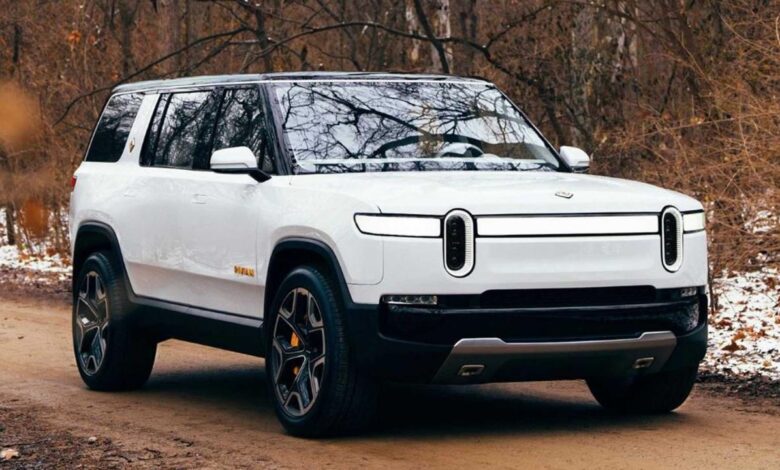
- D. Rivian R1S:The Rivian R1S is a standout in the adventure-focused segment. It offers a unique blend of rugged off-road capability, impressive performance, and a luxurious, eco-conscious interior. It is designed for those who want to take their electric vehicle far beyond the city limits.
- E. Volkswagen ID.4:As part of its aggressive push into EVs, Volkswagen offers the ID.4, a practical and family-friendly electric SUV. It is designed for the mainstream market, offering a comfortable ride, decent range, and a user-friendly interface at a competitive price point.
Overcoming Challenges and Looking to the Future
While the Electric SUV Revolution is in full swing, there are still hurdles to overcome. The most pressing challenges include the build-out of a comprehensive and reliable public charging infrastructure, especially in rural areas. The high cost of battery raw materials and the complex global supply chain for EV components also pose a challenge that automakers are actively working to address.
Looking ahead, the future of electric SUVs is bright. We can expect to see further improvements in battery technology, leading to even greater range and faster charging speeds. The integration of Vehicle-to-Grid (V2G) technology will allow electric SUVs to act as mobile power sources, sending electricity back to the grid during peak demand. The development of solid-state batteries promises to be a true revolution, offering a leap in energy density and safety. Ultimately, as battery prices continue to fall and manufacturing scales, electric SUVs will become more affordable, solidifying their position as the default choice for families and a cornerstone of the automotive future.
Conclusion
The electric SUV revolution is far more than a passing trend; it is a fundamental shift in the way we think about transportation. It represents the perfect marriage of a proven, beloved vehicle type with the groundbreaking efficiency and sustainability of electric power. The SUV’s inherent design advantages—space for larger batteries, a commanding presence, and a versatile platform—have made it the ideal candidate to spearhead the mass adoption of electric vehicles. By addressing long-standing consumer concerns about range and utility, and by offering a superior driving experience and lower running costs, electric SUVs are proving that sustainability does not require a compromise on performance, practicality, or style.
This revolution is being fueled by an unprecedented wave of technological innovation, from advanced battery chemistry and “skateboard” chassis designs to intelligent all-wheel-drive systems. These advancements are not just incremental; they are transformational, offering consumers a level of performance, safety, and convenience that was once unimaginable. As key players from Tesla to Ford and a new wave of startups continue to push the boundaries, the market is becoming more competitive and diverse, offering a wide range of options to suit every need and budget.
While challenges remain, particularly in building a robust charging infrastructure and managing supply chain complexities, the trajectory is clear and irreversible. The momentum behind the electric SUV is driven by a powerful combination of consumer demand, government incentives, and a global commitment to a cleaner future. The electric SUV is not just the car of tomorrow; it is a vehicle that is already here, changing the landscape of our roads and paving the way for a more sustainable, efficient, and exhilarating driving experience. As technology continues to evolve and prices become more accessible, the electric SUV will likely become the standard family vehicle, making gasoline-powered counterparts a relic of a bygone era. This is a thrilling time to be a part of the automotive world, and the electric SUV stands as a powerful symbol of progress and a bold vision for the road ahead.
