

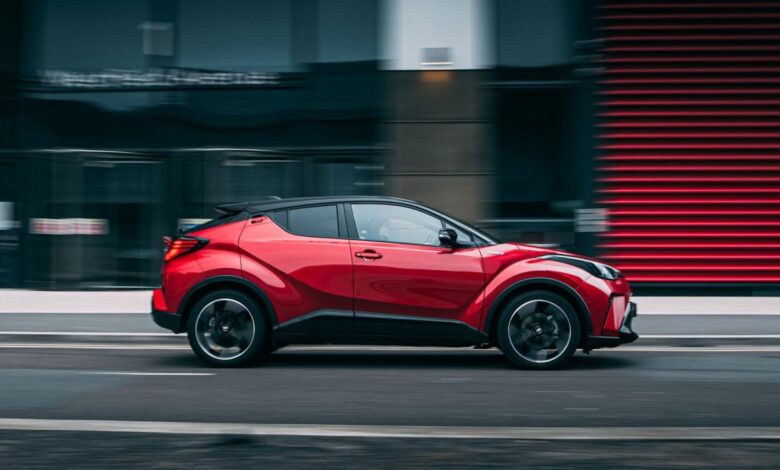
The automotive industry is in the midst of a silent but powerful revolution, driven by the increasing demand for cleaner, more efficient vehicles. At the heart of this transition lies the hybrid car, a remarkable fusion of a traditional internal combustion engine and an electric motor. These vehicles offer the perfect bridge between the gasoline-powered past and the electric-powered future, providing a compelling solution for consumers who want to reduce their environmental footprint and save money on fuel without the commitment to a fully electric vehicle (EV). The hybrid market is no longer a niche segment; it has exploded with a wide variety of models, from compact sedans to spacious SUVs, each offering a unique blend of efficiency, performance, and practicality. This extensive article will delve deep into the mechanics of hybrid technology, the factors that make a hybrid car a smart purchase, and an in-depth look at the best models available on the market today. We will provide a comprehensive guide to help you navigate this complex landscape and make an informed decision that benefits your wallet and the planet.
The Hybrid Advantage
A hybrid car’s primary selling point is its superior fuel economy. By using an electric motor to assist the gasoline engine, a hybrid can achieve significantly better miles per gallon (MPG) ratings, especially in city driving where regenerative braking can recharge the battery. However, the benefits of owning a hybrid extend far beyond just savings at the gas pump.
A. Reduced Emissions
Hybrid vehicles produce fewer harmful emissions compared to their conventional gasoline-only counterparts. The electric motor assists the engine during acceleration, a phase where engines typically burn the most fuel and produce the most pollution. This makes hybrids a more environmentally conscious choice, particularly for urban drivers.
B. Instant Torque and Performance
The electric motor in a hybrid provides instant torque from a standstill. This results in a smoother, quicker acceleration from a stoplight and a more responsive feel in stop-and-go traffic. The seamless transition between electric and gasoline power is a sophisticated engineering feat that provides a refined and quiet driving experience.
C. Regenerative Braking
A key feature of hybrid technology is regenerative braking. When the driver applies the brakes or lifts their foot off the accelerator, the electric motor reverses its function, acting as a generator to capture the vehicle’s kinetic energy. This energy is then converted into electricity and stored in the battery, a process that would otherwise be lost as heat in a conventional vehicle. This not only improves efficiency but also reduces wear and tear on the brake pads.
D. No Range Anxiety
Unlike a fully electric vehicle that relies solely on a charging network, a hybrid car can be refueled at any gas station. This eliminates the “range anxiety” often associated with EVs and makes hybrids a versatile choice for long-distance travel and daily commutes alike.

Types of Hybrid Systems
Not all hybrids are created equal. They are typically categorized into three main types, each with its own unique characteristics and benefits.
- A. Parallel Hybrids: This is the most common type of hybrid system. In a parallel hybrid, both the electric motor and the gasoline engine are connected to the transmission and can work together to power the wheels. The electric motor can assist the engine during acceleration, and in some cases, the car can run on electric power alone for short distances at low speeds. The Toyota Prius is the most well-known example of a parallel hybrid.
- B. Series Hybrids: In a series hybrid, the gasoline engine’s sole purpose is to act as a generator to charge the battery. The electric motor is the only power source that drives the wheels. This setup is often found in vehicles designed for extended range, as the gasoline engine doesn’t directly propel the car but ensures the battery remains charged.
- C. Plug-in Hybrid Electric Vehicles (PHEVs): PHEVs are the next evolutionary step in hybrid technology. They combine a gasoline engine with a larger battery that can be plugged in and recharged from an external power source. This allows a PHEV to operate in all-electric mode for a significant range, typically 20-50 miles, making them ideal for daily commuting without using any gasoline. Once the battery is depleted, the vehicle reverts to a standard hybrid, seamlessly transitioning to gasoline power.
Top Hybrid Cars to Consider for Your Next Purchase
The hybrid market is more competitive and diverse than ever. Here is a look at some of the best hybrid cars that consistently receive high marks for efficiency, reliability, and value.
1. The Toyota Prius
The Toyota Prius is the original hybrid and remains a benchmark in the segment. The latest generation has shed its utilitarian image for a sleek, modern, and surprisingly sporty design. It continues to deliver outstanding fuel economy, with many models achieving over 50 MPG combined. The Prius’s reputation for rock-solid reliability is its greatest asset, making it a smart and dependable long-term investment.
2. The Hyundai Ioniq Hybrid
The Hyundai Ioniq Hybrid is a direct competitor to the Prius and a formidable one at that. It offers exceptional fuel efficiency, a spacious cabin, and a refined driving experience. Hyundai backs its vehicles with an industry-leading warranty, including a lifetime battery warranty, which provides immense peace of mind for buyers. The Ioniq’s clean, minimalist design and advanced technology make it a very attractive option.
3. The Honda Accord Hybrid
For those who need the space and comfort of a mid-size sedan, the Honda Accord Hybrid is an excellent choice. It combines the Accord’s well-deserved reputation for reliability and a premium interior with a highly efficient hybrid system. The Accord Hybrid drives smoothly and responsively, offering a comfortable ride and a high level of standard safety features. It’s proof that you don’t have to sacrifice style or performance for efficiency.
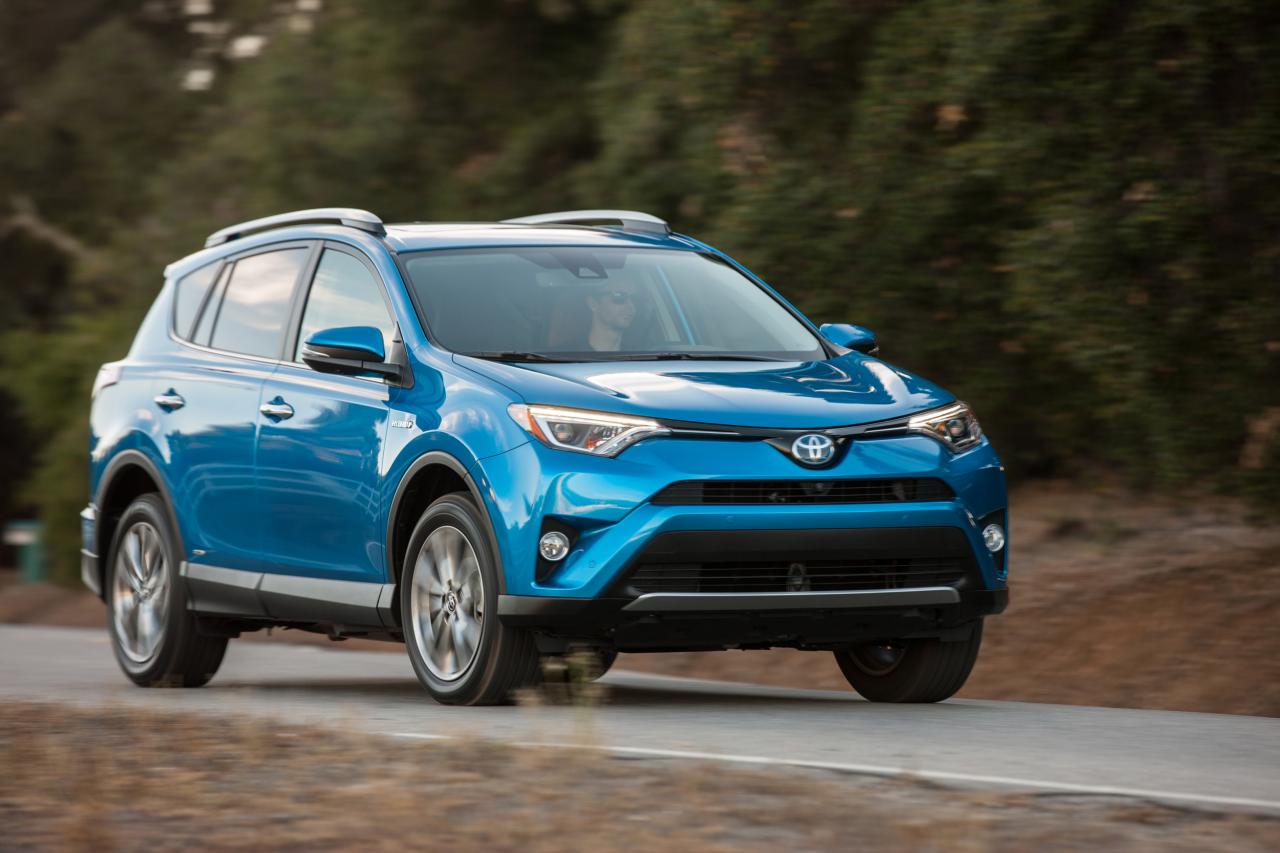
4. The Toyota RAV4 Hybrid
The Toyota RAV4 Hybrid is a game-changer in the compact SUV segment. It takes the RAV4’s best-selling formula—practicality, reliability, and a spacious cabin—and adds a highly efficient hybrid powertrain. The RAV4 Hybrid offers more horsepower than its gasoline-only counterpart and comes standard with all-wheel drive, making it a versatile and capable vehicle for all weather conditions. It is the perfect choice for families seeking a fuel-efficient and reliable SUV.
5. The Kia Sorento Hybrid
The Kia Sorento Hybrid is a standout in the three-row SUV category. It provides a luxurious interior, a comfortable ride, and a powerful yet efficient hybrid engine. With seating for up to seven passengers, the Sorento Hybrid offers a compelling blend of family-friendly utility and excellent fuel economy. Like the Hyundai Ioniq, it comes with a fantastic warranty, making it a very secure purchase.
6. The Ford Maverick Hybrid
The Ford Maverick Hybrid has taken the market by storm by offering a compact, incredibly fuel-efficient pickup truck. With a standard hybrid powertrain that delivers impressive city MPG, the Maverick appeals to urban dwellers and those who need the utility of a truck without the high fuel costs of a full-size model. Its versatility and affordable price point make it a truly unique and compelling option.
7. The Toyota Sienna
The Toyota Sienna has fully embraced the hybrid revolution, with every model now coming standard with a hybrid powertrain. This minivan offers a cavernous interior, a smooth ride, and fantastic fuel economy for a vehicle of its size. Its all-wheel-drive option and numerous family-friendly features make it an ideal choice for large families who need space and want to save on gas.
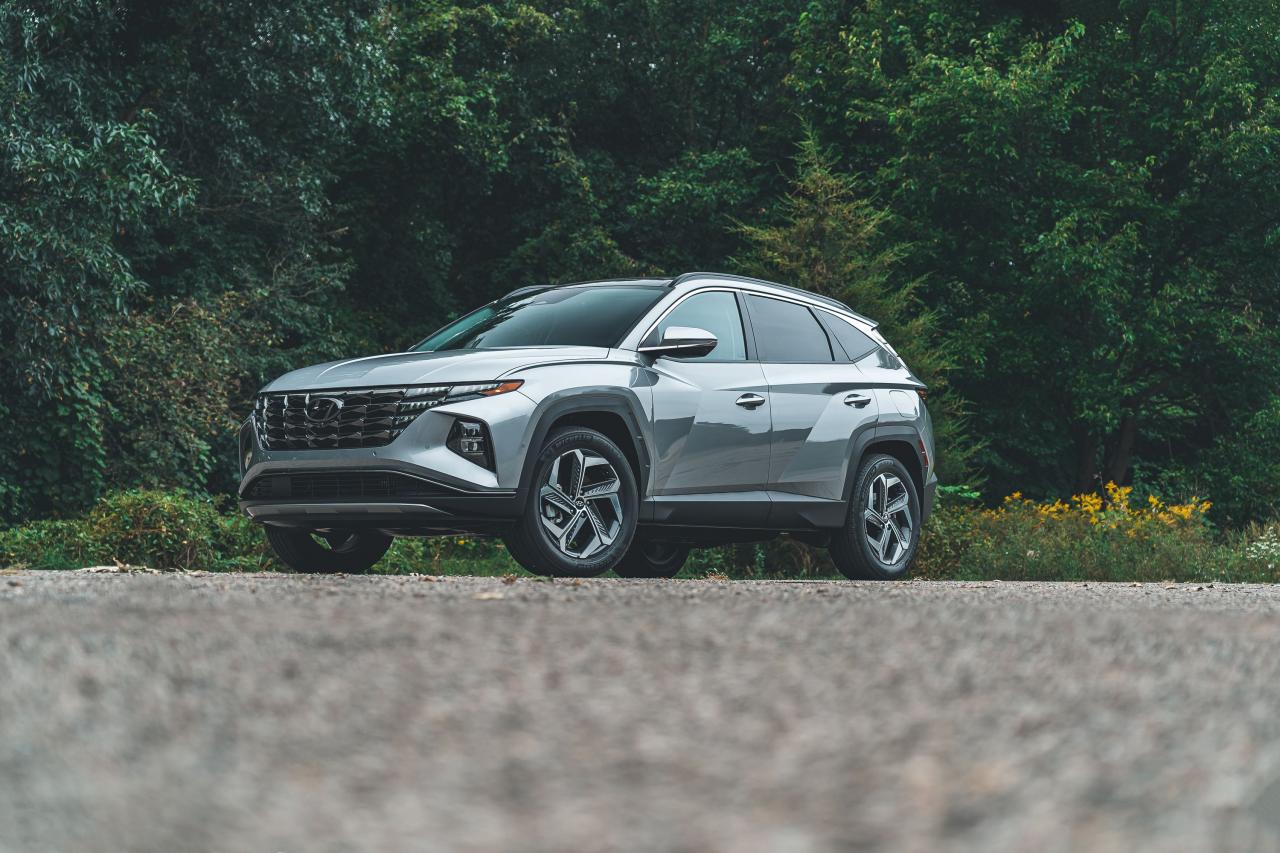
8. The Hyundai Tucson Hybrid
The Hyundai Tucson Hybrid offers a futuristic design and a well-appointed interior, along with a powerful and efficient hybrid powertrain. It provides a more engaging driving experience than some of its rivals and comes loaded with technology and safety features. The Tucson Hybrid’s bold styling and exceptional value make it a top contender in the compact SUV segment.
Factors to Consider When Buying a Hybrid
Choosing the right hybrid involves more than just looking at the MPG rating. It requires a holistic approach to understanding your needs and the vehicle’s features.
- A. Your Driving Habits: If most of your driving is in the city with frequent stops, a standard parallel hybrid is an excellent choice, as it will maximize its efficiency through regenerative braking. If you frequently take long highway trips, a hybrid’s MPG advantage may be less pronounced, though still significant.
- B. Plug-in vs. Standard Hybrid: Decide whether a PHEV is right for you. If you have access to home or work charging and your daily commute is under the all-electric range of a PHEV, you could potentially do most of your daily driving without using any gasoline. However, a standard hybrid is a better choice if charging is not convenient.
- C. Battery Lifespan and Warranty: While modern hybrid batteries are designed to last for the life of the vehicle, it is essential to check the battery warranty. Many manufacturers, like Hyundai and Toyota, offer long warranties that cover the battery for over a decade.
- D. Vehicle Size and Utility: The hybrid market now offers options for every need, from compact sedans to three-row SUVs. Assess your need for space, cargo capacity, and passenger room before making a decision.
- E. Total Cost of Ownership: Look beyond the sticker price. While hybrids can be slightly more expensive upfront, they typically have lower fuel costs, reduced brake maintenance, and strong resale values, which can lead to a lower total cost of ownership over time.
Conclusion
The hybrid car has cemented its place as a cornerstone of the modern automotive industry. It successfully marries the practicality and familiarity of a gasoline vehicle with the efficiency and eco-friendliness of electric power. For millions of consumers, the hybrid car represents the ideal solution: a vehicle that saves money on fuel, reduces emissions, and eliminates the logistical concerns often associated with fully electric models. It is a powerful and proven technology that has reached a level of maturity and diversity that offers a suitable option for nearly every driver and family.
The models highlighted in this article, from the iconic Toyota Prius and the versatile Toyota RAV4 Hybrid to the innovative Ford Maverick and the spacious Kia Sorento Hybrid, exemplify the very best of what the hybrid market has to offer. They are not simply fuel-efficient alternatives; they are well-engineered, reliable, and stylish vehicles in their own right. The fierce competition among automakers has driven incredible advancements, leading to hybrids that are not only more efficient than ever but also more enjoyable to drive and more feature-rich.
Ultimately, choosing a hybrid is a savvy financial and environmental decision. By making this choice, you are not only taking a proactive step toward a cleaner future but also making a sound investment that will pay off for years to come. The era of the hybrid is in full swing, and as technology continues to evolve, we can expect even more impressive models to emerge. The hybrid car is more than a transitional technology; it is a permanent and vital part of the automotive landscape, providing a powerful and sensible option for anyone looking for a smarter way to drive. It is a win-win for both your wallet and the planet, proving that high performance and great efficiency can, and should, go hand in hand.
