


For centuries, the concept of mobility has evolved, from horseback riding to steam trains and, most recently, the personal automobile. We stand at a pivotal moment where this evolution is accelerating at an unprecedented pace. The future of human mobility is no longer a linear progression; it is a profound and fundamental transformation driven by a convergence of technologies. We are moving towards a world where transportation is not just about getting from point A to point B, but about a seamless, interconnected, and sustainable experience. This future is shaped by three core principles: electrification, autonomy, and connectivity. This extensive article will delve deep into the forces and technologies driving this revolution, exploring how these changes will impact our cities, our daily lives, and the very concept of personal vehicle ownership.
The Dawn of a Sustainable Era

The internal combustion engine, a marvel of engineering that has defined the last century of transportation, is being systematically replaced by electric powertrains. This shift is not merely a change of fuel source; it is a complete re-engineering of the vehicle from the ground up, with a focus on efficiency, performance, and environmental responsibility.
A. The Rise of the Battery Electric Vehicle (BEV)
The Battery Electric Vehicle, or BEV, represents the ultimate form of electrification. With zero tailpipe emissions, BEVs are a cornerstone of the global effort to combat climate change and reduce urban air pollution. Advances in battery technology, such as increased energy density and faster charging speeds, are rapidly addressing the issue of range anxiety. Innovations in solid-state batteries are on the horizon, promising even greater range and improved safety.
B. The Role of Hybrids and PHEVs
While BEVs are the long-term goal, hybrid and plug-in hybrid electric vehicles (PHEVs) are playing a crucial role in the transition. Hybrids offer a perfect compromise, providing significant fuel savings without the need for a charging infrastructure overhaul. PHEVs, with their ability to operate on pure electric power for a short range, offer a taste of the all-electric lifestyle while retaining the flexibility of a gasoline engine for longer journeys. They serve as a vital bridge, acclimating consumers to electric technology.
C. The Growth of the Charging Network
A widespread and reliable charging network is essential for the mass adoption of EVs. Governments and private companies are investing heavily in building out this infrastructure. The development of high-speed chargers and the standardization of charging plugs are making charging an EV as convenient as refueling a gasoline car. The future may even include wireless charging, where vehicles can be charged simply by parking over a pad, making the process completely seamless.
The Era of Self-Driving Transportation
The concept of a driverless car has captivated our imagination for decades, and it is now becoming a tangible reality. Autonomous driving technology, powered by artificial intelligence and an array of sophisticated sensors, holds the promise of a future with fewer accidents, less traffic congestion, and a new level of personal freedom.
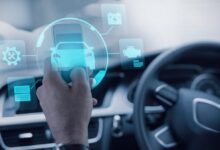
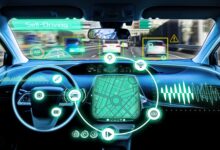
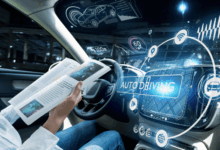
- A. The Levels of Autonomy:Autonomous driving is defined by a hierarchy of six levels, from Level 0 (no automation) to Level 5 (full automation). While we are currently seeing widespread adoption of Level 2 systems (like adaptive cruise control and lane-keeping assist), companies are making significant progress on Level 3 and 4 technology. Level 3 systems allow the driver to take their eyes off the road in specific conditions, while Level 4 systems can handle all driving tasks in a defined area without human intervention.
- B. The Sensory Suite:The eyes and ears of an autonomous vehicle are its sensors. A combination of LiDAR (Light Detection and Ranging), radar, and high-resolution cameras creates a continuous, 360-degree digital map of the car’s surroundings. This data is processed by powerful onboard computers running complex AI algorithms that can predict the behavior of pedestrians, cyclists, and other vehicles in real time.
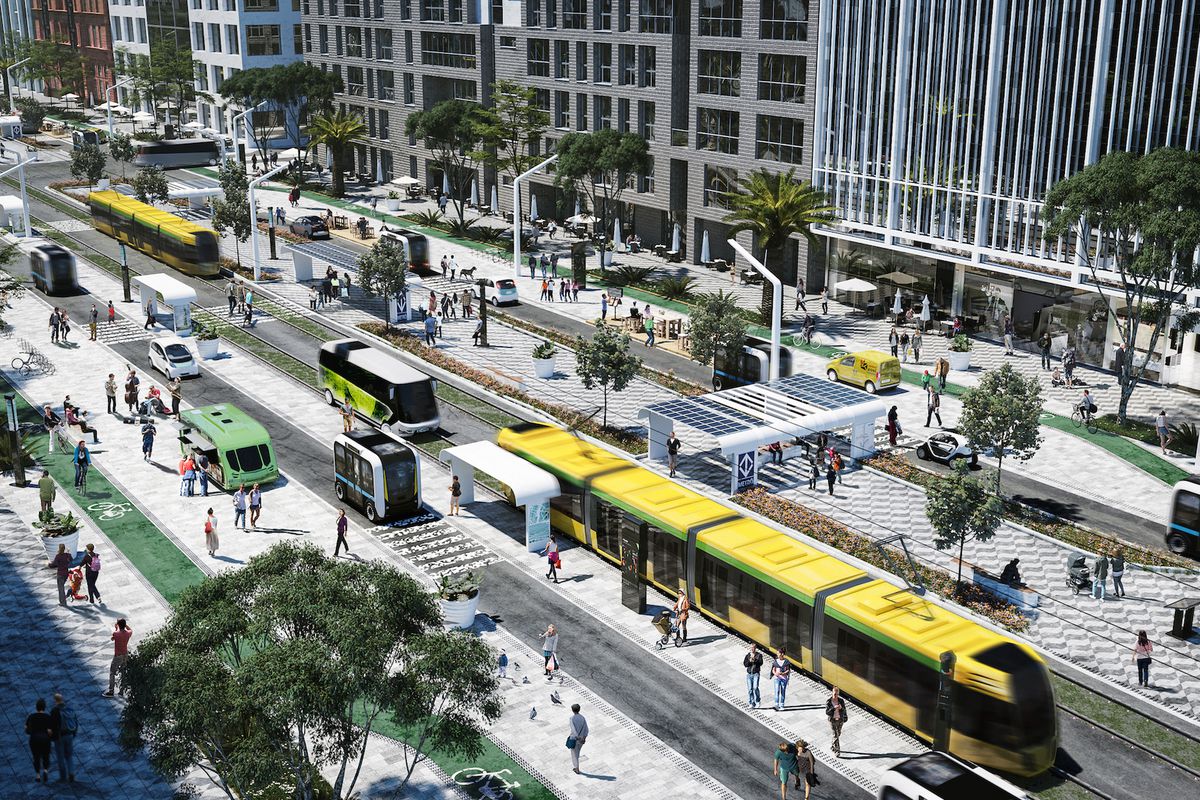
- C. The Impact on Urban Planning:The proliferation of autonomous vehicles will have a profound effect on urban planning. We can expect a reduction in the need for large, multi-story parking garages, as vehicles can drop off passengers and then park themselves in remote locations. The concept of a “mobile office” or “entertainment pod” will emerge, transforming the time spent commuting into a productive or relaxing experience. The flow of traffic will become more efficient, as connected autonomous vehicles can communicate with each other to optimize speed and reduce congestion.
Connectivity
Tomorrow’s vehicles will be more than just modes of transport; they will be an integral part of a seamless digital ecosystem. The constant flow of information, enabled by ultra-fast 5G networks, will transform the vehicle from an isolated machine into a truly connected node.
- A. Vehicle-to-Everything (V2X) Communication:V2X technology allows vehicles to communicate with their surroundings. V2V (Vehicle-to-Vehicle) communication enables cars to share information about their speed and location, preventing collisions before they occur. V2I (Vehicle-to-Infrastructure) allows cars to interact with traffic lights and road sensors to optimize traffic flow. V2P (Vehicle-to-Pedestrian) alerts drivers to the presence of pedestrians or cyclists, even when they are not visible. This interconnected network will create a safer and more efficient transportation system.
- B. Over-the-Air (OTA) Updates:Just like our smartphones, future vehicles will receive software updates remotely. This allows manufacturers to add new features, improve performance, and patch security vulnerabilities without the need for a trip to the dealership. This “software-defined vehicle” approach ensures that a car’s capabilities can evolve and improve over its lifetime.
- C. The In-Car Experience:The interior of a future vehicle will be an extension of our digital lives. Advanced infotainment systems, augmented reality windshields, and personalized settings will create a unique and tailored experience for every passenger. Voice assistants and gesture controls will replace physical buttons, making the cabin more intuitive and ergonomic.
The Challenges and a New Social Contract
The journey to this new future is not without its obstacles. The transition will require a new social contract between consumers, governments, and the automotive industry.
- A. Cybersecurity: With cars becoming increasingly connected and reliant on software, they become a prime target for cyberattacks. Protecting a vehicle’s network from hackers is a top priority, requiring robust encryption and multi-layered security protocols.
- B. Regulatory and Ethical Frameworks: The current legal system is ill-equipped to handle the complexities of autonomous vehicles. Questions of liability in the event of an accident, data privacy, and the ethical programming of AI must be addressed with clear and comprehensive regulations.
- C. Public Trust and Accessibility: The public’s willingness to embrace autonomous vehicles and electric powertrains is a major factor in their adoption. Building trust through transparent technology and a strong safety record is crucial. Furthermore, the cost of these technologies must come down to ensure they are accessible to a broad consumer base.
- D. Infrastructure Transformation: Our cities were built for the internal combustion engine. The future of mobility will require a complete overhaul of our infrastructure, including the build-out of a massive charging network and the integration of smart road systems.
Mobility as a Service (MaaS)
The ultimate vision for the future of mobility is Mobility as a Service (MaaS). In this model, personal vehicle ownership is no longer the default. Instead, consumers use an integrated app to access a variety of transportation options, including ride-sharing, bike-sharing, public transit, and autonomous vehicles. The system would optimize the best route and mode of transport for a user’s specific needs, leading to a more efficient, cost-effective, and sustainable urban environment. The focus shifts from the car as a possession to mobility as a seamless, on-demand service.
Conclusion
We are at the cusp of a profound and irreversible transformation in human mobility. The future is not a single technology but a holistic ecosystem where electrification, autonomy, and connectivity work in harmony to create a transportation system that is safer, more efficient, and more sustainable than anything we have known before. The journey from the driver-centric, gasoline-powered vehicle to the autonomous, electric, and connected machine is redefining not only our cars but our cities and our daily lives. This is a future where traffic fatalities are a rarity, where urban congestion is a problem of the past, and where our personal time can be reclaimed from the task of driving.
The technologies that are enabling this revolution, from solid-state batteries and LiDAR sensors to 5G communication and AI-driven software, are advancing at a breathtaking pace. While significant challenges remain—from addressing cybersecurity threats to developing a robust regulatory framework—the momentum is undeniable. The collaboration between legacy automakers, disruptive tech companies, and governments is accelerating this transition, ensuring that the future of mobility is not a distant vision but a tangible reality unfolding before our eyes.
Ultimately, this revolution is about more than just technology; it is about a new way of life. It’s a shift from the isolation of personal vehicle ownership to a shared, interconnected, and service-oriented model of transportation. It promises a world where mobility is not a chore but a seamlessly integrated and intelligent part of our lives, empowering us to live and work in new ways. The future of mobility is a bold vision for a better, more efficient, and more sustainable world.
