

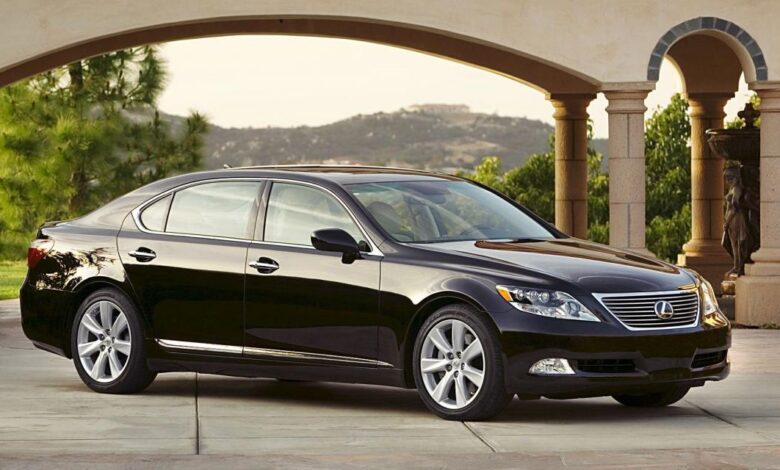
Luxury cars are often seen as symbols of success, status, and refined taste. They offer a driving experience that goes beyond mere transportation, with superior comfort, cutting-edge technology, and exhilarating performance. However, the high price tags associated with these vehicles can make them seem out of reach for many people. Fortunately, the market for pre-owned vehicles has made it possible to own a luxury car without spending a fortune. This article will explore how you can find and purchase a luxury car that fits within a sensible budget. We’ll delve into the best brands, models, and strategies to help you navigate this exciting market.
Why Choose a Pre-Owned Luxury Car?
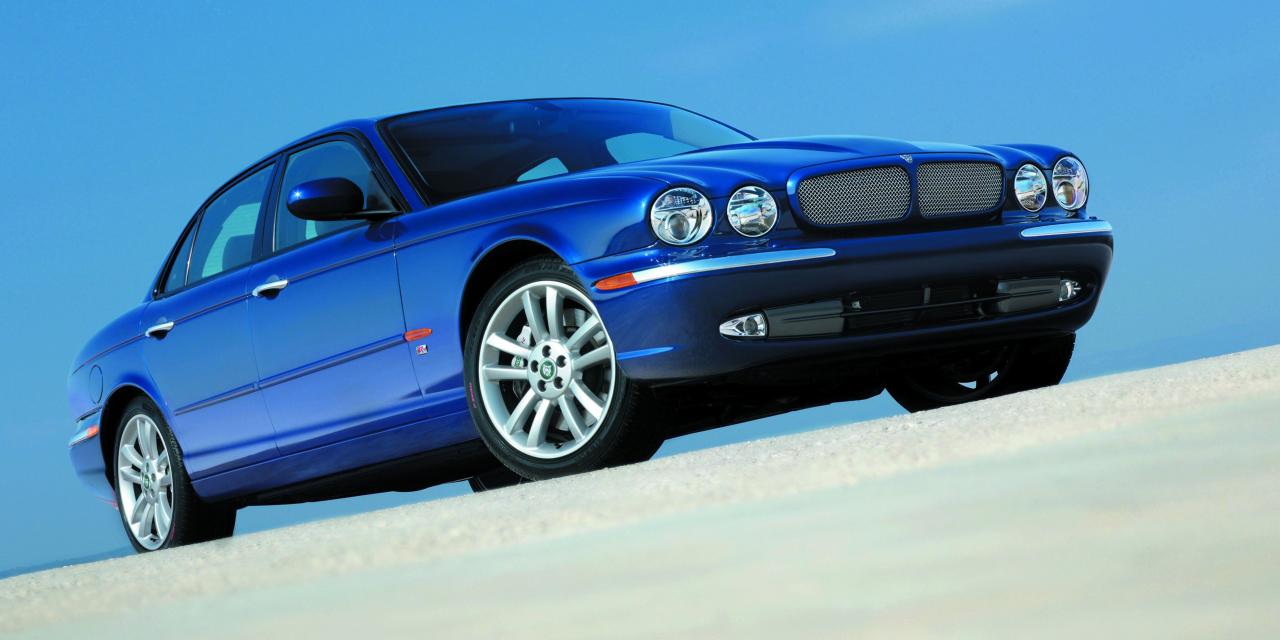
Opting for a used luxury car is a smart financial move. The biggest factor in this is depreciation. New cars, especially luxury models, lose a significant portion of their value the moment they’re driven off the lot. A luxury car that’s just a few years old can be had for a fraction of its original price, even though it may still be in excellent condition. This means you can enjoy the same high-end features, premium materials, and powerful engine without shouldering the massive initial depreciation.
Another benefit is the wide variety of options available. The pre-owned market is vast, offering a huge selection of makes, models, and years. Whether you’re interested in a sleek sedan, a powerful SUV, or a sporty coupe, you can find a vehicle that suits your lifestyle and budget. You can also gain access to features that were once only available in top-tier trims, but are now more accessible on the used market.
Top Brands and Models to Consider
When searching for an affordable luxury car, it’s wise to focus on brands known for their reliability and a good reputation in the used market. Some brands hold their value better than others, while some are more affordable to maintain.
A. BMW
BMW is a fantastic option for those who prioritize a dynamic driving experience. The brand is known for its “ultimate driving machine” ethos, with vehicles that offer a perfect blend of performance and luxury.
- BMW 3 Series: The 3 Series is arguably the brand’s most iconic model. It’s a compact executive sedan that combines sporty handling with a comfortable interior. Older models from the F30 generation (2012-2019) are particularly good value, offering a solid blend of modern technology and classic BMW driving dynamics.
- BMW 5 Series: If you need more space and a more refined ride, the 5 Series is an excellent choice. It’s a mid-size sedan that provides a more luxurious and spacious cabin without sacrificing performance. Look for models from the F10 generation (2010-2016) for a great balance of features and price.
B. Mercedes-Benz
Mercedes-Benz stands out for its emphasis on comfort, advanced technology, and timeless elegance. The brand’s cars are known for their plush interiors and smooth, quiet rides.
- Mercedes-Benz C-Class: The C-Class is the brand’s compact sedan, a direct competitor to the BMW 3 Series. It offers a sophisticated interior with high-quality materials and a focus on ride comfort. The W204 generation (2007-2014) is a great starting point for budget-conscious buyers, providing classic Mercedes luxury at an accessible price.
- Mercedes-Benz E-Class: For an even more luxurious experience, the E-Class is a top contender. It’s a mid-size sedan with a famously comfortable ride and an interior that feels truly premium. Models from the W212 generation (2009-2016) are known for their durability and solid build quality, making them a smart choice.
C. Audi
Audi is renowned for its clean, minimalist design, high-tech interiors, and the confidence-inspiring Quattro all-wheel-drive system.
- Audi A4: The A4 is Audi’s entry-level luxury sedan. It features a beautifully designed interior, often with Audi’s Virtual Cockpit and MMI infotainment system. Older models from the B8 generation (2008-2016) are great value, offering a premium feel and reliable performance.
- Audi A6: If you’re looking for something with a bit more presence and interior space, the A6 is an excellent alternative. It offers a smooth ride and a sophisticated cabin. The C7 generation (2011-2018) provides a fantastic blend of modern tech and a refined driving experience.
D. Lexus
Lexus, Toyota’s luxury division, is a fantastic choice for those who prioritize reliability and low maintenance costs. Their vehicles are known for being incredibly durable and dependable, which is a major plus when buying used.
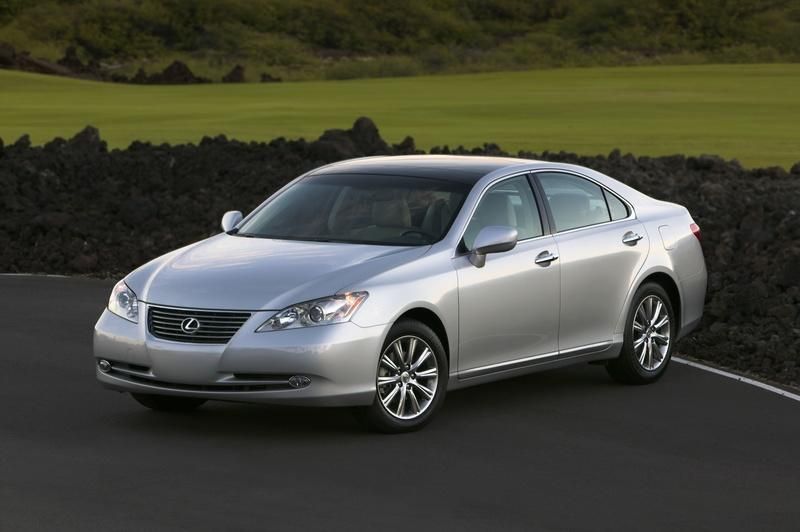
- Lexus ES: The ES is a front-wheel-drive sedan that focuses on comfort and a quiet, smooth ride. It has a reputation for being one of the most reliable luxury cars on the market. Older models are incredibly durable and offer a plush interior at a low price point.
- Lexus GS: For a more engaging rear-wheel-drive experience, the GS is a great option. It balances comfort and performance. The fourth generation (2012-2020) is particularly well-regarded for its reliability and sporty feel.
What to Look for When Buying a Used Luxury Car
Buying a used luxury car requires careful inspection and research. Don’t just look at the price tag; consider the full cost of ownership, including maintenance and potential repairs.
A. Maintenance History
This is perhaps the most critical factor. A well-maintained luxury car can last for a very long time, while a neglected one can become a money pit. Always ask for service records to verify that the car has been regularly serviced at the dealership or a reputable independent shop. Look for records of oil changes, fluid flushes, brake replacements, and other routine maintenance.
B. Pre-Purchase Inspection (PPI)
Even if the car looks great and has a solid history, get a pre-purchase inspection from a trusted mechanic who specializes in European or Japanese luxury cars. This is an unbiased, professional opinion on the vehicle’s condition. A PPI can uncover hidden issues, such as oil leaks, suspension problems, or electrical faults, that could cost a lot to fix later on. It’s a small investment that can save you thousands of dollars.
C. Mileage and Age
Higher mileage isn’t always a deal-breaker, especially if the car has a full service history. However, some components on luxury cars, such as air suspensions or complex electronic systems, may wear out with age and use. Consider a balance of mileage and age that you’re comfortable with. A younger car with slightly higher mileage from highway driving might be in better shape than an older car with low mileage from short, city trips.
D. Technology and Features
Luxury cars from even a decade ago came with features that are still considered premium today, like heated seats, advanced sound systems, and navigation. Make sure all the electronic features are working correctly. Test the infotainment system, windows, sunroof, and all buttons to ensure everything functions as it should.
E. Potential Ownership Costs
Be realistic about the cost of ownership. While the initial purchase price might be low, maintenance and repair costs for luxury cars are generally higher than for mainstream vehicles. Parts are often more expensive, and labor rates at dealerships or specialized mechanics are higher. Factor in the cost of insurance and higher-grade fuel (many luxury cars require premium fuel) when budgeting for your purchase.
The Best Places to Buy a Used Luxury Car
Finding the right car also means finding the right seller. Your options range from private sellers to certified pre-owned programs.
A. Certified Pre-Owned (CPO) Programs
Many luxury brands, like BMW, Mercedes-Benz, and Lexus, offer Certified Pre-Owned programs. These cars are typically late-model, low-mileage vehicles that have undergone a rigorous multi-point inspection and reconditioning process. They also come with an extended manufacturer’s warranty, which provides peace of mind. While CPO cars are more expensive than their non-CPO counterparts, the added warranty and assurance of quality can be well worth the price.
B. Independent Dealerships
Independent used car dealerships offer a wide variety of brands and models, often at a lower price than CPO cars. However, the quality can vary. It’s crucial to research the dealership’s reputation and ensure they have a history of selling quality vehicles. A pre-purchase inspection is highly recommended when buying from an independent lot.
C. Private Sellers
Buying from a private seller can often lead to the best deal. There’s no dealership overhead, so the price is typically lower. However, this is also the riskiest option. You have fewer protections, and you must rely on your own diligence to inspect the car. Again, a PPI is non-negotiable in this scenario.
Conclusion
Owning a luxury car doesn’t have to be a pipe dream limited to the wealthy. With a thoughtful and strategic approach to the pre-owned market, it’s entirely possible to find a vehicle that offers a premium driving experience without breaking the bank. The key is to be a smart consumer. By understanding depreciation, you can take advantage of the significant value drop on new luxury vehicles. By focusing on reliable brands like Lexus, and well-regarded models from BMW, Mercedes-Benz, and Audi, you can narrow your search to vehicles that have a proven track record. Most importantly, a comprehensive pre-purchase inspection is your best friend. It’s the single most important step you can take to protect your investment and ensure that your new-to-you luxury car brings you joy, not financial stress. While maintenance costs will be higher than a standard economy car, the superior comfort, performance, and craftsmanship are often seen as a worthwhile trade-off. By carefully researching, budgeting, and inspecting your potential purchase, you can finally enjoy the sophisticated ride you’ve always wanted. The roads are full of exceptional pre-owned luxury cars just waiting for a new owner. Happy hunting!
