

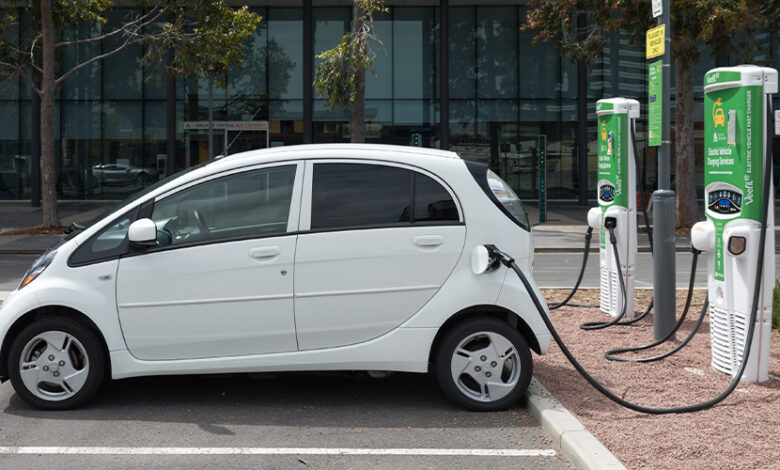
For decades, the electric car was a futuristic novelty, confined to science fiction films and a niche market of early adopters. Today, that perception has been completely shattered. The electric vehicle (EV) is no longer a fringe technology; it is a mainstream reality, rapidly becoming the standard for personal transportation. This profound shift is being driven by a perfect storm of technological breakthroughs, growing consumer demand, and supportive government policies. The conversation has moved from “if” EVs will be viable to “when” they will dominate our roads. This extensive article will delve deep into the key factors that have propelled electric cars into the mainstream, from advancements in battery technology and charging infrastructure to the explosion of diverse models available to consumers. We will explore the profound impact this transition is having on the automotive industry, the economy, and the environment.
The Three Catalysts for Mainstream Adoption
The journey of the electric car from niche product to mainstream staple has been a result of three critical catalysts that have systematically addressed the long-standing barriers to adoption.
A. Technological Advancements
The most significant hurdle for EVs was always the battery. Early electric cars were hampered by a limited range, long charging times, and high costs. However, a battery revolution has changed everything.
- Increased Energy Density: Modern lithium-ion batteries can store significantly more energy in a smaller, lighter package. This has led to EVs with ranges well over 300 miles on a single charge, effectively eliminating range anxiety for most drivers.
- Faster Charging Speeds: The development of high-speed chargers and the adoption of high-voltage architectures (like those found in the Hyundai Ioniq 5 and Kia EV6) have drastically reduced charging times. It is now possible to add a substantial amount of range in under 20 minutes, making long-distance travel far more convenient.
- Decreasing Costs: While battery manufacturing remains complex, the cost per kilowatt-hour has fallen dramatically over the past decade. This reduction in cost is making electric cars more affordable, allowing manufacturers to offer compelling EVs at a price point that competes with their gasoline counterparts.
B. Diverse Market Options
In the early days, EV choices were limited. Today, the market is overflowing with a wide variety of models in every segment, catering to every need and budget.
- From Sedans to SUVs and Trucks: The market now offers everything from compact electric hatchbacks to three-row electric SUVs and even electric pickup trucks. This diversity is crucial for mainstream adoption, as it allows consumers to find a vehicle that fits their lifestyle without compromise.
- Legacy Automakers Embrace Electrification: Major legacy automakers like Ford, General Motors, Volkswagen, and Hyundai have invested billions in electric vehicle research and development. This commitment has led to the release of popular models like the Ford Mustang Mach-E, Chevrolet Bolt, and Volkswagen ID.4, which are helping to normalize EV ownership.
- The Rise of New Players: Disruptors like Tesla, Rivian, and Lucid have pushed the boundaries of what an electric car can be, inspiring a new generation of consumers with their cutting-edge technology and sleek designs. This fierce competition is a boon for the consumer, as it drives rapid innovation and provides a wealth of options.
C. Supportive Public Policy and Infrastructure
Governments around the world have recognized the environmental benefits of electric cars and are actively promoting their adoption.
- Government Incentives and Tax Credits: Many countries and states offer financial incentives, such as tax credits, rebates, and grants, to lower the initial cost of an EV. These incentives make the upfront purchase more palatable and accelerate the consumer transition.
- Stricter Emissions Regulations: Stricter emissions standards and outright bans on the sale of new gasoline-powered vehicles in some countries are forcing automakers to prioritize their EV lineups. This regulatory push is a powerful catalyst for change.
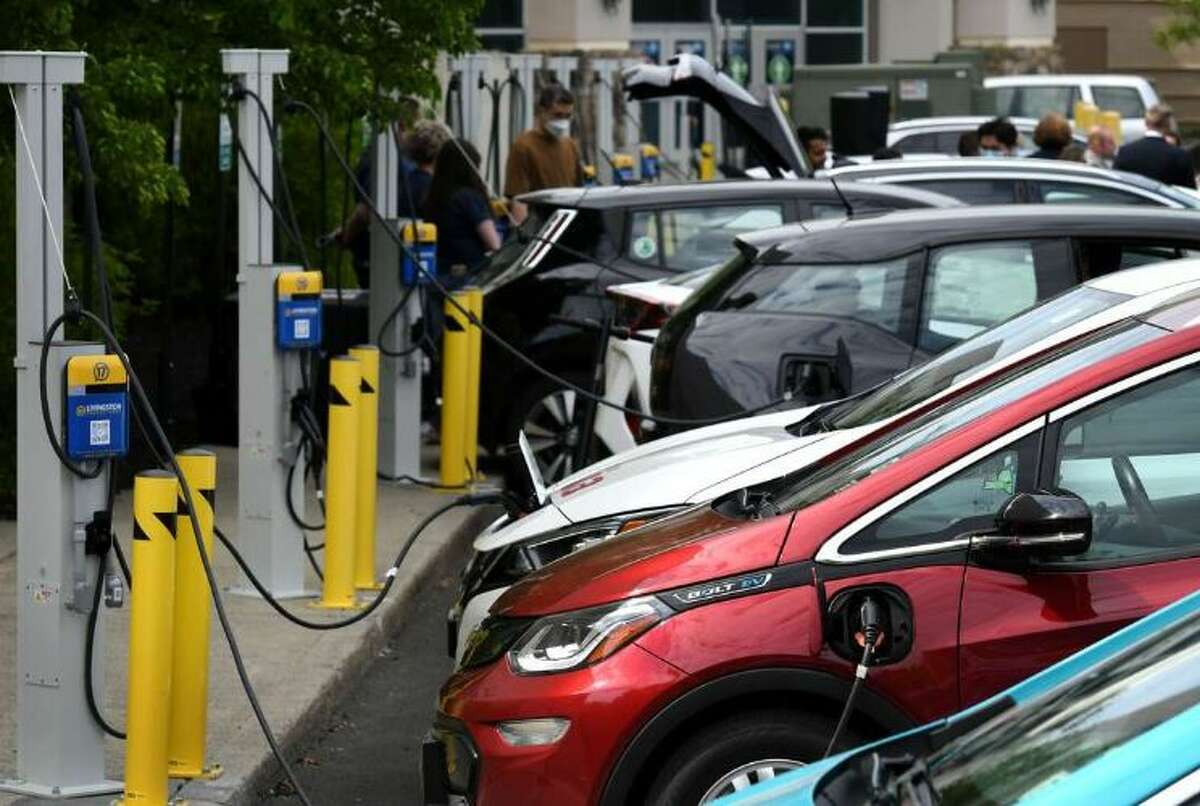
- Charging Infrastructure Growth: The public charging network is expanding rapidly. Charging stations are becoming more common in cities, along highways, and at workplaces. This expanding infrastructure is building consumer confidence and making EV ownership a more practical choice for a wider range of people.
The Impact of the Mainstream Transition


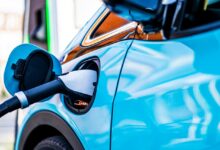

The move to electric cars is having a profound and far-reaching impact on our world, from the way we commute to the health of our planet.
- A. Environmental Benefits:The most direct and significant benefit of EVs is the reduction of tailpipe emissions. This is particularly crucial in urban areas where pollution from cars contributes to respiratory illnesses. The proliferation of EVs, coupled with the increasing use of renewable energy to power the grid, is a key component of the global strategy to combat climate change.
- B. Economic Transformation:The EV revolution is creating a new economic ecosystem. It is driving job growth in battery manufacturing, software development, and the installation of charging infrastructure. It is also challenging traditional industries, such as oil and gas, to adapt to a changing market. The lower maintenance costs of EVs and the reduced reliance on volatile gasoline prices are also providing a direct economic benefit to consumers.
- C. The Driving Experience:Electric cars are simply better to drive. The instant torque from the electric motor provides quick and seamless acceleration. They are also incredibly quiet and provide a smooth, vibration-free ride. The “silent speed” of an EV is a unique and compelling experience that is winning over drivers who are used to the noise and complexity of an internal combustion engine.
- D. The Software-Defined Vehicle:Electric cars are as much a software product as they are a mechanical one. The ability to receive over-the-air (OTA) updates means that a car’s capabilities can evolve and improve over its lifespan. Features can be added, performance can be enhanced, and security vulnerabilities can be patched remotely, transforming the ownership experience into a continuous journey of improvement.
Navigating the Mainstream EV Market
For the first-time EV buyer, the market can seem daunting. Here are some key factors to consider when making the transition to electric.
- A. Assess Your Range Needs:Think about your daily commute and how often you take long trips. For most people, a car with a 200-250 mile range is more than sufficient for daily driving. For those who frequently take long road trips, a vehicle with a 300+ mile range and access to a robust fast-charging network is a better option.
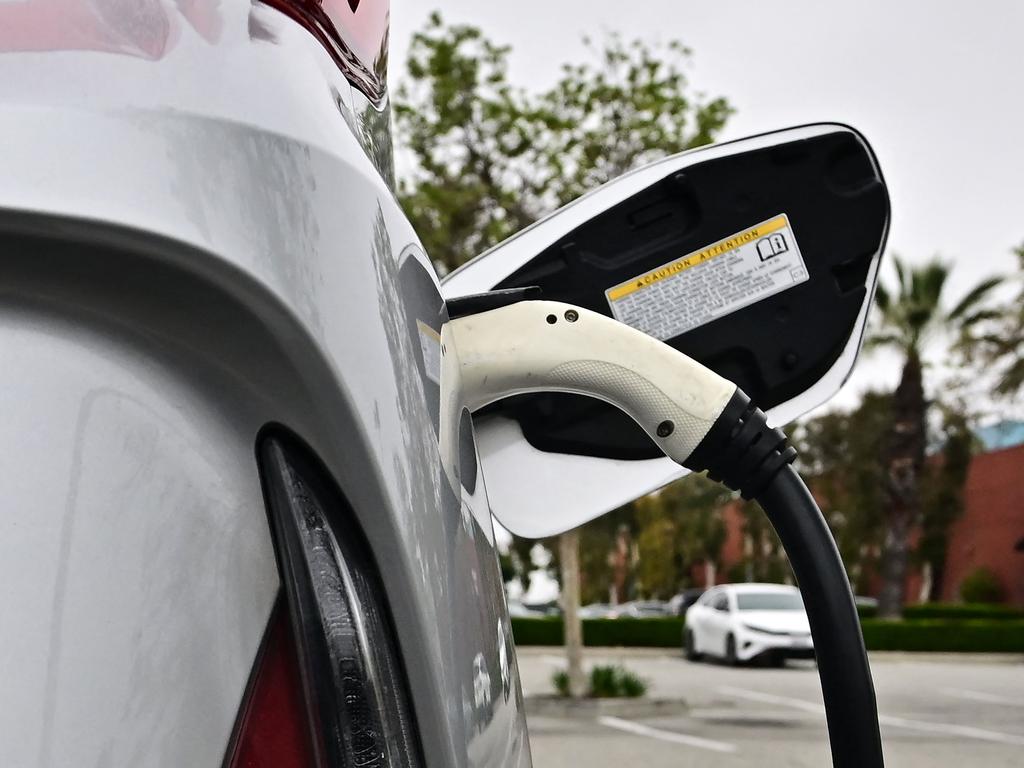
- B. Charging at Home and on the Go:The most convenient way to own an EV is to have a home charging solution. A Level 2 charger can fully charge a vehicle overnight, making it ready to go every morning. For long trips, research the public charging infrastructure along your route.
- C. Total Cost of Ownership:Look beyond the sticker price. While EVs may have a higher initial cost, they have significantly lower operating costs due to cheaper electricity, no gasoline expenses, and reduced maintenance. The total cost of ownership over a 5-10 year period is often lower for an EV than for a comparable gasoline-powered car.
- D. The Right Fit for Your Lifestyle:With so many options, you can find an EV that fits your needs perfectly. If you need a practical family vehicle, consider an electric SUV like the Hyundai Ioniq 5 or Ford Mustang Mach-E. If you need a versatile work vehicle, the Ford F-150 Lightning is an excellent choice.
Conclusion
The era of the electric car has arrived, and its transition into the mainstream is a powerful testament to the relentless march of technological innovation. What was once a niche market defined by limitations is now a dynamic and competitive segment offering a wide array of compelling vehicles that appeal to a broad consumer base. The combination of longer ranges, faster charging, and a variety of models has systematically dismantled the traditional barriers to EV adoption. This shift is not merely a change in powertrain; it is a fundamental transformation that is reshaping our transportation system, our economy, and our relationship with the environment.
The momentum behind this change is undeniable. Governments are actively pushing for electrification with supportive policies, and legacy automakers are investing billions to compete with the new wave of EV startups. This fierce competition is a boon for consumers, driving down costs and accelerating the development of even more advanced and accessible electric vehicles. Owning an EV is no longer a symbolic gesture; it is a smart, practical, and enjoyable choice that offers a superior driving experience, lower operating costs, and a significant reduction in environmental impact.
Ultimately, the mainstreaming of electric cars is a win-win for everyone. It benefits the consumer with significant savings and a better driving experience, the industry with new opportunities for growth and innovation, and the planet with a cleaner, more sustainable future. The electric car has earned its place on our roads, and its journey from a futuristic concept to an everyday reality is a thrilling story of progress. The future of personal mobility is electric, and it is a future that has already begun.
