

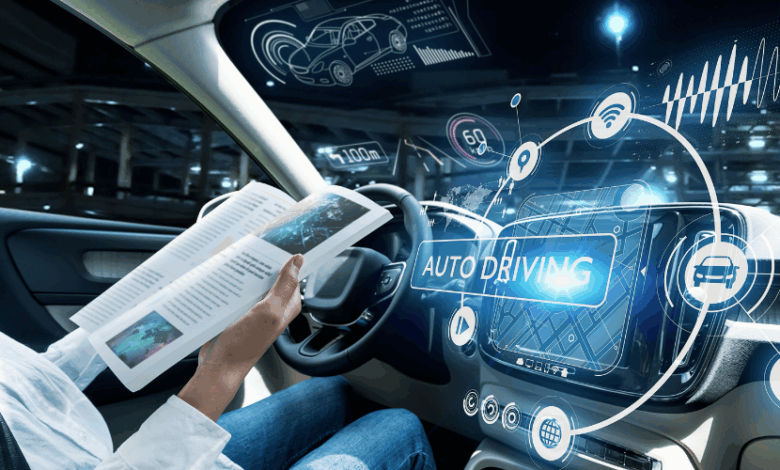
In an era defined by digital innovation, the automobile has transformed from a purely mechanical device into a sophisticated, rolling computer. For tech enthusiasts, a car’s appeal extends far beyond its horsepower and handling; it’s about the seamless integration of technology that enhances safety, convenience, and entertainment. The modern car is a digital ecosystem, featuring intuitive infotainment systems, advanced driver assistance systems (ADAS), and connectivity that rivals our personal devices. The quest for the perfect vehicle for a tech lover is a journey into a world of software, sensors, and cutting-edge design. This extensive article will delve deep into the technological features that define a modern tech-forward car, explore the top models that are leading the way, and provide a comprehensive guide to help you find the perfect vehicle that aligns with your digital lifestyle.
The Digital Cockpit
The dashboard of today is a high-tech command center, not just a collection of analog gauges. The digital cockpit is the heart of a tech-forward car, where all the vehicle’s functions and information are managed.
A. Infotainment Systems
Modern infotainment systems are the central nervous system of the car. They are powered by large, high-resolution touchscreens that are as responsive as a tablet. These systems typically offer Apple CarPlay and Android Auto for seamless smartphone integration, allowing you to use your favorite navigation, music, and messaging apps safely on the road. The best systems are intuitive, feature over-the-air (OTA) updates, and come with voice-activated controls for a hands-free experience.
B. Digital Instrument Clusters
Gone are the days of simple analog dials. Many new cars feature fully digital instrument clusters, often with screens that can be customized to display a variety of information. Drivers can choose to see a classic speedometer and tachometer, a full-screen navigation map, or real-time data on fuel efficiency and battery usage. These clusters provide crucial information in a clear and engaging format.
C. Heads-Up Displays (HUDs)
A heads-up display projects essential driving information, such as speed, navigation directions, and driver assistance warnings, onto the windshield. This allows the driver to keep their eyes on the road, reducing distraction and improving safety. The most advanced HUDs use augmented reality to highlight potential hazards or superimpose navigation arrows onto the road ahead.
Advanced Driver Assistance Systems (ADAS)
For a tech lover, the most compelling features are those that actively make driving safer and more convenient. ADAS technologies are the building blocks of autonomous driving and provide a level of security that was unimaginable just a few years ago.



- A. Adaptive Cruise Control:This system goes beyond traditional cruise control by automatically adjusting the vehicle’s speed to maintain a safe following distance from the car ahead. The most sophisticated systems can even bring the car to a complete stop and resume acceleration in stop-and-go traffic, a game-changer for urban and highway driving.
- B. Lane Keeping Assist:This technology uses cameras and sensors to detect lane markings. If the vehicle begins to drift out of its lane without a turn signal, the system will provide a gentle steering correction to keep the car centered. This is an essential feature for preventing accidents caused by distracted or fatigued driving.
- C. Blind-Spot Monitoring and Rear Cross-Traffic Alert:These systems use sensors to detect vehicles in the driver’s blind spots and provide a visual or audible warning. Rear Cross-Traffic Alert is particularly useful when backing out of a parking space, as it can detect and warn you of vehicles approaching from the side.
- D. Automatic Emergency Braking (AEB):Perhaps the most critical safety technology, AEB uses a combination of radar and cameras to detect a potential collision with a vehicle, pedestrian, or cyclist. If the driver does not react in time, the system will automatically apply the brakes to avoid or mitigate the crash.
- E. 360-Degree Camera Systems:For a tech enthusiast, the ability to see a top-down view of the car’s surroundings is invaluable. 360-degree camera systems stitch together images from multiple cameras to provide a virtual overhead view, making parking and navigating tight spaces incredibly easy.
Seamless Connectivity
The future of driving is a connected future. Modern cars are equipped with cellular and Wi-Fi capabilities that turn them into mobile internet hubs.
- A. Over-the-Air (OTA) Updates:This is a hallmark of a truly tech-forward vehicle. OTA updates allow the car’s software to be updated remotely, just like a smartphone. This means new features, performance improvements, and security patches can be deployed without a trip to the dealership.
- B. Mobile App Integration:Most new cars come with a companion mobile app that allows you to interact with your vehicle remotely. You can lock or unlock the doors, start the engine to pre-condition the cabin, check the fuel level or battery charge, and even locate your car in a crowded parking lot, all from your phone.
- C. Vehicle-to-Everything (V2X) Communication:While still in its infancy, V2X is a technology that allows cars to communicate with each other (V2V), with infrastructure (V2I), and with pedestrians (V2P). This constant flow of information will one day create a harmonious and accident-free transportation network.
Top Cars for the Tech-Savvy Buyer
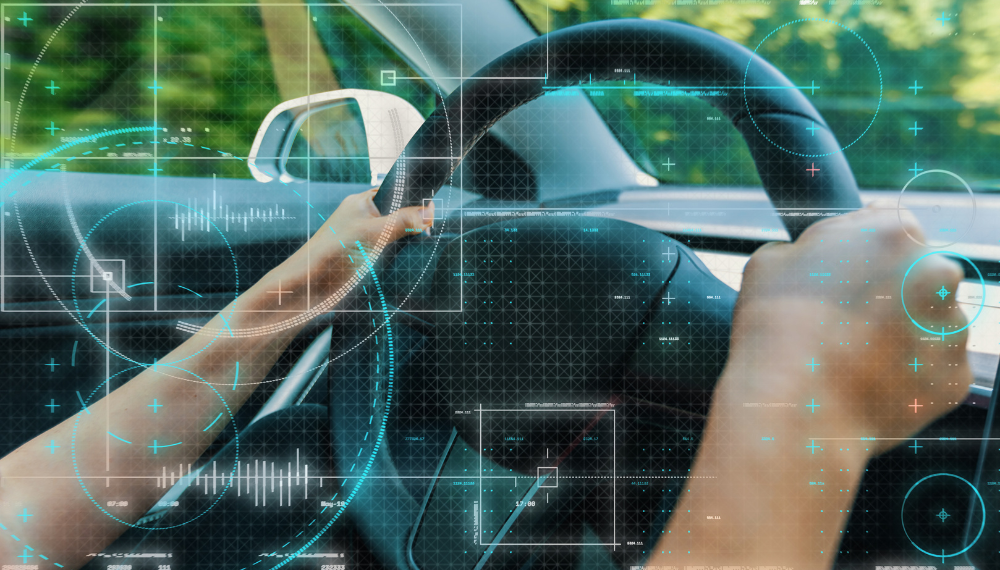
While almost every modern car offers some level of technology, a few models stand out for their exceptional integration of software and hardware.
1. Tesla Model S
The Tesla Model S is the undisputed king of automotive technology. Its minimalist interior is dominated by a massive, vertically oriented touchscreen that controls almost every aspect of the car. The software is constantly updated with new features and improvements via OTA updates. Its Autopilot system is one of the most advanced semi-autonomous driving systems on the market, and its access to the Supercharger network makes it a truly connected vehicle.
2. Lucid Air
The Lucid Air is a newcomer that is challenging Tesla with its luxurious, tech-rich package. It boasts an expansive 34-inch 5K curved display that seamlessly integrates the instrument cluster and infotainment system. The Lucid Air’s DreamDrive Pro is a comprehensive ADAS suite that uses a wide array of sensors, including LiDAR, to provide advanced driver assistance. It also features a natural-language voice assistant and a premium audio system.
3. Rivian R1T
The Rivian R1T is an adventure-ready electric truck that is also a tech powerhouse. Its interior is dominated by a large center screen and a digital instrument cluster. The software is responsive and intuitive, and the vehicle is loaded with tech features that enhance its off-road capability. The R1T’s unique gear tunnel and innovative lighting systems are a testament to its forward-thinking design.
4. Mercedes-Benz EQS
For luxury and technology combined, the Mercedes-Benz EQS is in a class of its own. It offers the optional MBUX Hyperscreen, a massive, 56-inch curved glass panel that spans the entire width of the dashboard. This screen houses three displays—a digital instrument cluster, a central infotainment screen, and a passenger-side display. The MBUX system uses AI to learn the driver’s habits and preferences, providing personalized suggestions and controls.
5. Hyundai Ioniq 5
The Hyundai Ioniq 5 offers a truly futuristic design that is matched by its impressive technology. Its interior features a pair of 12.3-inch screens for the instrument cluster and infotainment. The system is easy to use and responsive, and the car’s Vehicle-to-Load (V2L) capability allows you to use the car’s battery to power external devices, from a laptop to a campsite.
6. Audi E-Tron GT
The Audi E-Tron GT combines the sleek design of a grand tourer with a high-tech electric powertrain. Its interior features a beautiful digital instrument cluster and a responsive central touchscreen. The car’s technology is seamlessly integrated, with features like a Bang & Olufsen sound system and an advanced navigation system that plans charging stops on long journeys.
What to Expect Next
The rapid pace of technological innovation in the automotive world shows no signs of slowing down. The next few years will see even more incredible breakthroughs. We can expect to see augmented reality dashboards become more commonplace, with more sophisticated projections that provide an even deeper level of immersion and information. The use of biometrics will also become more prevalent, with cars that can recognize the driver via facial recognition or fingerprint scanners to automatically adjust settings. The most significant development, however, will be the continued progress toward full autonomy, with more vehicles reaching Level 3 and 4 capabilities in controlled environments. The car of the future will be a true extension of our digital lives, a device that understands our needs, anticipates our preferences, and provides a level of safety and convenience that was once confined to the pages of science fiction.
Conclusion
For the tech enthusiast, the car is no longer just a mode of transportation; it is a meticulously engineered piece of consumer electronics. The shift from analog gauges and mechanical controls to high-resolution screens and sophisticated software has opened up a new world of possibilities, making the driving experience safer, more intuitive, and more enjoyable. The defining characteristics of a truly tech-forward vehicle are its seamless connectivity, its suite of intelligent driver assistance systems, and a digital cockpit that is both beautiful and functional. The seamless integration of features like Apple CarPlay, OTA updates, and adaptive cruise control transforms a daily commute into a personalized and stress-free journey.
The models that are at the forefront of this technological revolution, such as the Tesla Model S, Lucid Air, and Mercedes-Benz EQS, are not just showcasing what’s possible; they are setting a new standard for the entire industry. They prove that technology is not an add-on but a fundamental pillar of modern vehicle design, creating a symbiotic relationship between man and machine. While there are still challenges to overcome, such as cybersecurity and the regulatory framework for autonomous driving, the trajectory is clear and irreversible.
Ultimately, choosing a car for a tech lover is an investment in a lifestyle. It’s about selecting a vehicle that is not only a reliable companion on the road but also a smart, connected, and ever-evolving extension of one’s digital life. It is about a vehicle that can learn, adapt, and improve over time, providing a constant source of innovation and convenience. The era of the tech-forward car has arrived, and it promises to make the future of driving a truly exhilarating and connected experience.
