

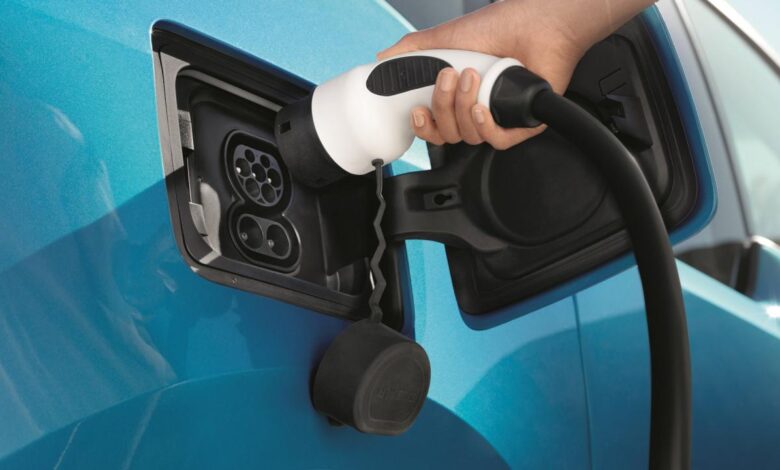
The automotive industry is in the midst of a profound and exciting transformation. The cars of today are more than just a means of transportation; they are intelligent, connected, and sustainable hubs that are fundamentally reshaping our relationship with the road. The year 2025 is a pivotal moment in this evolution, with a new generation of vehicles pushing the boundaries of what is possible in design, technology, and performance. This article will take a deep dive into the best cars of 2025, exploring the core trends defining this new era, from the rise of electric vehicles and the integration of artificial intelligence to the new focus on safety and a more human-centric design. We will look at the cars that are pushing the boundaries and the technologies that are making them possible, and the profound impact this will have on the future of mobility.
The Electric Revolution

The most significant change in the automotive industry is the shift from fossil fuels to electricity. Electric vehicles (EVs) are no longer a niche market for a few eco-conscious consumers; they are rapidly becoming the mainstream choice for a wide range of drivers, from a family with a small car to a business with a large truck. The cars of 2025 are a clear reflection of this shift, with a new generation of electric vehicles that are more powerful, more efficient, and more affordable than ever before.
A. The Power of Advanced Batteries
The biggest hurdle for electric vehicles has always been the battery. The cars of 2025 are a clear reflection of the rapid advancements in battery technology, with a new generation of batteries that are more energy-dense, faster to charge, and more durable than the previous ones.
- Solid-State Batteries: The new generation of batteries will be solid-state batteries, which are a major leap forward from the traditional lithium-ion batteries. They are more energy-dense, which can lead to a longer range for a single charge, and they are more durable, which can lead to a longer lifespan for a car.
- Faster Charging: The new electric vehicles are also designed for faster charging, with a new generation of charging technology that can charge a battery to 80% in a matter of minutes. This eliminates the “range anxiety” that has been a major concern for many drivers.
- The EV as a Power Plant: The new electric vehicles are also designed to be a part of a larger smart grid. A new technology, known as Vehicle-to-Grid (V2G), allows a car to not only draw power from the grid but also to feed it back during times of high demand. This can turn a car into a mobile power plant, which can have a significant positive impact on a city’s energy grid.
B. The Electric SUV and Truck Revolution
The electric vehicle revolution is no longer confined to a small sedan. A new generation of electric SUVs and trucks is hitting the market, and they are a game-changer for a wide range of drivers. These vehicles are not only more powerful and more durable than their gas-powered counterparts, but they are also more sustainable and more efficient. The best electric SUVs and trucks of 2025 are a clear signal that the electric revolution is for everyone.
The Intelligent Car
The cars of 2025 are not just electric; they are intelligent, connected, and a new kind of driving experience. The integration of artificial intelligence and advanced sensor technology is fundamentally reshaping our relationship with the road.
A. The Power of Artificial Intelligence (AI)
AI is the brain of the new generation of cars. AI-powered systems are used to automate a wide range of tasks, from a voice-controlled assistant to a proactive safety system.


- AI-Powered Assistants: The new cars are equipped with a voice-controlled assistant that is more intelligent and more responsive than ever before. A driver can simply tell the car to play a song, to find a restaurant, or to change the temperature, and the car will respond instantly.
- Predictive Analytics: AI can analyze a car’s data to predict a wide range of outcomes. It can, for example, predict when a component is likely to fail, which can help a driver to schedule maintenance proactively. It can also analyze a driver’s driving habits to provide them with personalized feedback and tips to improve their driving.
- A Proactive Safety System: The new cars are equipped with a new generation of proactive safety systems. AI can analyze a car’s data from a wide range of sensors to detect a potential collision and then take proactive action to prevent it. This can include a system that can automatically brake, a system that can automatically steer, or a system that can warn a driver of a potential hazard.
B. The New Driver Experience
The cars of 2025 are a new kind of driving experience. They are more comfortable, more connected, and more personalized than ever before.
- The Connected Car: The new cars are a part of a larger, interconnected network. They can communicate with other cars, with a city’s infrastructure, and with a driver’s smartphone. This can lead to a wide range of benefits, from a more efficient traffic flow to a more seamless navigation system.
- The New Interior Design: The new car interiors are designed for a new era of comfort and personalization. They feature a variety of customizable features, from a new kind of lighting system to a new kind of seating system that can be adjusted to a person’s unique physical dimensions.
- The Autonomous Car: The cars of 2025 are on the road to a fully autonomous future. The new cars are equipped with a new generation of sensors, such as LiDAR, radar, and cameras, and a new generation of AI-powered systems that are a key component of a fully autonomous car. This can lead to a future where a person can simply tell their car where to go and the car will do the rest.
Challenges and Opportunities
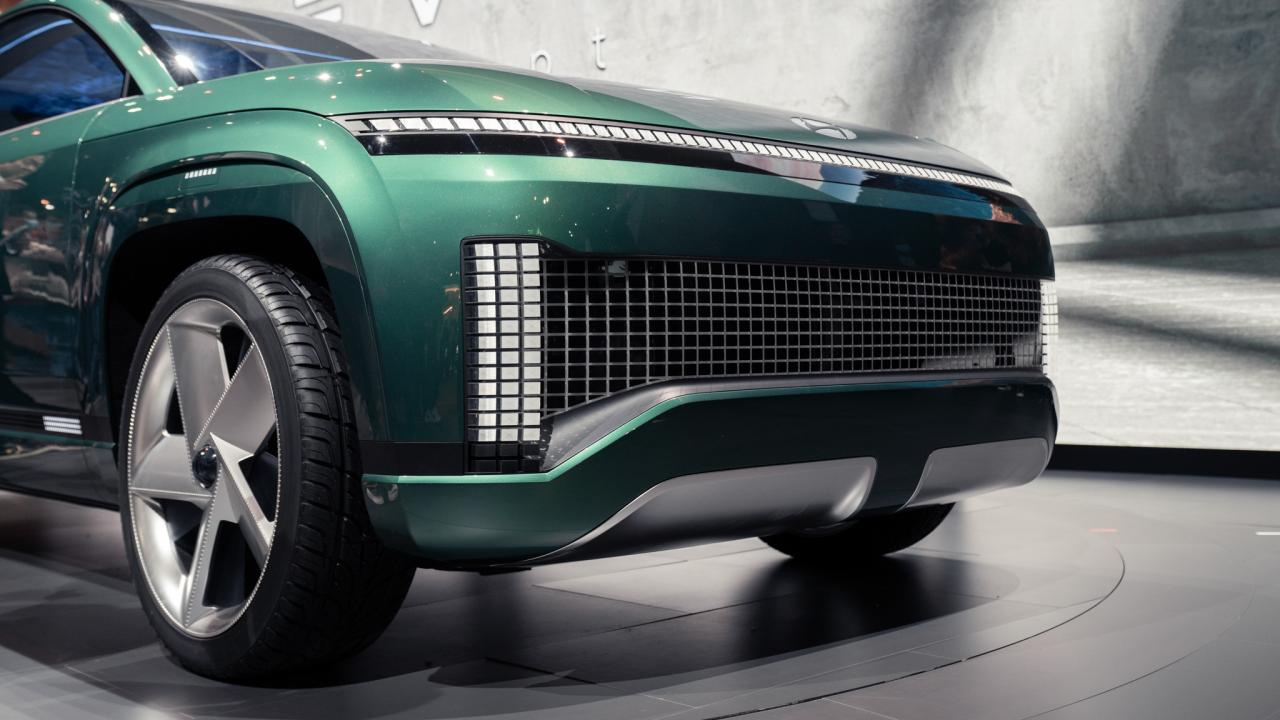
While the future of cars is bright, there are significant challenges that must be addressed to ensure that this revolution is inclusive and sustainable.
A. The Cost of New Technology
The cost of a new electric vehicle and the components that power it can be prohibitive. The components that power these cars, such as a new battery and a new AI-powered system, are expensive, creating a new digital divide between those who can afford a high-end car and those who cannot. The use of a subscription-based model for some of the new technologies is a major step toward addressing this, but more work is needed to make a new car accessible to everyone.
B. The Evolving Legal and Regulatory Framework
The new era of cars is advancing faster than the laws that govern it. New regulations are urgently needed to address a wide range of issues, from the legal status of an autonomous car to the rights of a driver who is using a new AI-powered system. The lack of a clear regulatory environment is a major barrier to adoption for many automakers and drivers.
C. The Human Element
A car is, at its core, a tool for a person. While technology can solve many problems, it cannot replace the human element of empathy, community, and social connection. The challenge is to use technology to enhance human interaction, not to replace it. A car’s interior design must be human-centric, creating a space that fosters a sense of comfort and belonging.
Conclusion
The best cars of 2025 are a testament to a new era of innovation, sustainability, and intelligent design. The electric revolution is fundamentally reshaping how we power our vehicles, with a new generation of batteries that are more powerful and more efficient than ever before. The rise of AI and a new generation of sensors are creating a new kind of driving experience, one that is more comfortable, more connected, and more personalized than ever before. The new cars are a clear signal that the future of mobility is a new kind of living, a living that is as adaptable and as resilient as it is intelligent and sustainable.
However, as we embrace this new era, we must also confront the significant challenges that lie ahead. The high cost of a new electric car, the need for a new legal and regulatory framework, and the challenges of data privacy and security are all hurdles that must be addressed proactively. The future of mobility is a journey that will be defined not just by its technological prowess but by its ability to create a world that is more connected, more human-centric, and more conducive to a person’s overall well-being. The best cars of 2025 are here, and they promise to build a future where our cars are as healthy and as happy as we are.
