

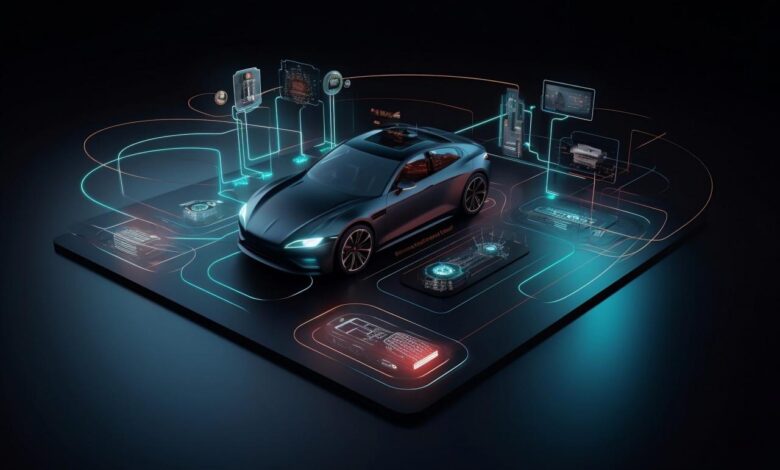
The process of buying a new or used car has long been a source of stress and anxiety for many consumers. From navigating complex financing options to deciphering technical specifications and dealing with pushy salespeople, the traditional car-buying experience can feel overwhelming. However, the integration of artificial intelligence (AI) is fundamentally changing this landscape, creating a more personalized, efficient, and transparent process. AI is not just a futuristic concept; it’s a present-day tool that is reshaping every stage of the car-shopping journey, from initial research to post-purchase support. This in-depth article will explore how AI is being deployed in the automotive retail sector and the profound impact it has on both consumers and dealerships. We will examine the specific applications of AI, the benefits it provides, and what the future of AI in car shopping might look like.
The Current State of Car Shopping
Before the advent of widespread AI, the internet revolutionized car shopping by putting vast amounts of information at our fingertips. Websites like Edmunds, Kelley Blue Book, and CarGurus provided a platform for consumers to research models, compare prices, and read reviews from the comfort of their homes. This shift moved the power dynamic, giving consumers more leverage and reducing the information asymmetry that once favored dealerships. Yet, even with all this data, the process could still be disjointed. Sifting through thousands of listings, understanding nuanced financing terms, and finding a vehicle that perfectly matches one’s needs and budget remained a time-consuming and often confusing endeavor.
AI’s Role in Modernizing the Car-Buying Journey
AI’s strength lies in its ability to process and analyze massive datasets far more quickly and accurately than a human ever could. It can identify patterns, make predictions, and generate personalized recommendations. In the context of car shopping, AI is being applied in several key areas to streamline the process.
A. Hyper-Personalized Vehicle Discover
The most visible application of AI in car shopping is in its ability to act as a personal shopping assistant. Instead of simply searching by make and model, consumers can now interact with AI-powered chatbots or virtual assistants on a dealership’s website. These tools ask a series of questions about a buyer’s lifestyle, family size, driving habits, budget, and personal preferences (e.g., “Do you need a car with a good sound system?” or “Are you concerned about fuel efficiency?”). Using this information, the AI algorithm can scour thousands of vehicles in its database to present a curated list of top recommendations that are a perfect fit. This goes far beyond a simple filter search, taking into account subtle connections and preferences that a human might miss. For example, an AI might learn that a user who searches for a hybrid SUV also has a history of looking at camping gear online and could recommend models with more cargo space and all-wheel drive. This level of personalization makes the search for the perfect car less like a chore and more like a tailored experience.
B. Dynamic Pricing and Market Analysis
AI is a game-changer for pricing. For consumers, AI-powered tools can analyze market data in real-time to provide an accurate and fair market value for a specific vehicle. It takes into account factors like the car’s age, mileage, condition, optional features, and local market demand. This gives buyers a powerful negotiating tool, as they can confidently determine whether a listed price is fair. For dealerships, AI algorithms can set dynamic pricing, adjusting the price of a vehicle based on market conditions, inventory levels, and competitor pricing. This ensures that the dealership remains competitive while maximizing profit, leading to a more efficient and responsive market.
C. Streamlined Financing and Credit Approval
Securing financing is often the most stressful part of the car-buying process. AI is simplifying this by automating and accelerating the pre-approval process. AI-powered platforms can analyze a buyer’s financial data, credit score, and income to instantly determine their eligibility for a loan and provide personalized loan offers from various lenders. This transparency allows consumers to compare interest rates and terms without the need for multiple credit inquiries or the back-and-forth with a finance manager. It gives buyers a clear picture of their purchasing power before they even step into a dealership, empowering them to make more informed decisions. The use of AI in this area also helps to reduce human error and can provide a more equitable and unbiased assessment of credit risk.
D. Enhanced Virtual and Augmented Reality Experiences
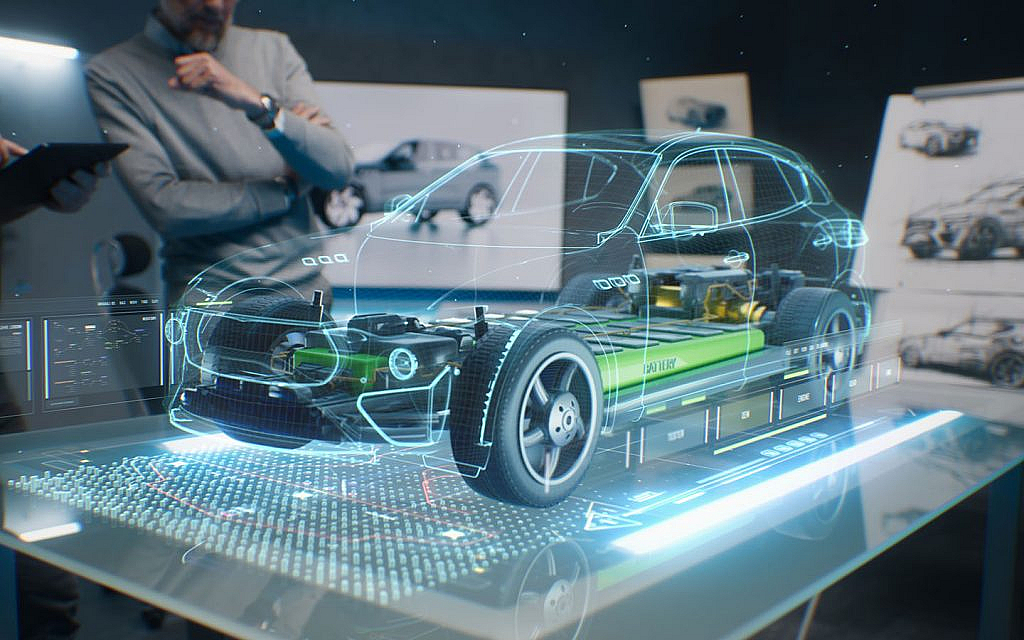
AI is at the heart of the next generation of online car shopping: immersive virtual showrooms. Using AI to generate and render realistic 3D models, consumers can explore a car’s interior and exterior in stunning detail from any device. Some platforms even use augmented reality (AR) to allow a user to “place” a virtual car in their driveway using their smartphone camera, giving them a real-world sense of its size and appearance. AI algorithms can also personalize these virtual experiences by highlighting features that are most relevant to the user, based on their previous searches and stated preferences. This brings the showroom experience directly to the consumer, making it a truly interactive and engaging process.
E. Post-Purchase Support and Predictive Maintenance
The role of AI doesn’t end when the sale is complete. AI-driven systems are now being used to provide proactive post-purchase support. Cars are increasingly equipped with sensors that collect data on performance and health. AI algorithms can analyze this data to predict when a component is likely to fail or when routine maintenance is due. The system can then alert the owner and even schedule a service appointment with a local dealership. This shift from reactive to proactive maintenance saves consumers money on costly repairs and ensures their vehicle remains in optimal condition. For dealerships, it creates a new revenue stream and strengthens customer relationships.
The Benefits for Consumers and Dealerships
The integration of AI in car shopping offers a host of benefits for all parties involved.
For Consumers:
- A. Time Savings and Convenience: AI eliminates much of the guesswork and legwork traditionally associated with car shopping. It provides a more streamlined, personalized experience from the comfort of home.
- B. Greater Transparency: AI-powered tools provide objective data on pricing and financing, empowering consumers with the information they need to negotiate and make a fair deal.
- C. Informed Decisions: By analyzing a consumer’s unique needs, AI helps them find a car that truly fits their lifestyle, reducing the likelihood of buyer’s remorse.
- D. Reduced Stress: The automation of tedious tasks and the availability of clear information significantly reduce the anxiety and stress of the car-buying process.
For Dealerships:
- A. Increased Efficiency: AI automates routine tasks, allowing sales staff to focus on building customer relationships and providing a higher level of service.
- B. Improved Customer Insight: AI analytics provide dealerships with a deeper understanding of customer behavior and preferences, allowing them to better tailor their inventory and marketing efforts.
- C. Optimized Pricing: Dynamic pricing models help dealerships maximize profitability while remaining competitive in a crowded market.
- D. Enhanced Customer Loyalty: Proactive communication and post-purchase support driven by AI can lead to greater customer satisfaction and repeat business.
The Future of AI in Automotive Retail
The current applications of AI are just the beginning. The future of car shopping will see even more advanced integration of artificial intelligence. We can expect to see AI-driven autonomous test drives, where a car navigates a pre-determined route to showcase its features without a salesperson present. AI will also play a larger role in predicting market trends, helping manufacturers and dealerships to better forecast demand for specific models and features. Furthermore, the convergence of AI with blockchain technology could create an immutable, transparent record of a vehicle’s history, from manufacturing to ownership and maintenance, virtually eliminating the risk of fraud for both buyers and sellers. As AI becomes more sophisticated, the entire automotive ecosystem will become more intelligent, responsive, and tailored to the individual needs of the consumer.
Conclusion
The car-buying experience is undergoing a profound transformation, with artificial intelligence acting as the primary catalyst. What was once a daunting, manual, and often opaque process is evolving into a seamless, transparent, and highly personalized journey. AI is not simply a tool for automation; it’s a strategic partner that empowers both consumers and dealerships, creating a more efficient and trustworthy marketplace. From sophisticated algorithms that match a buyer with their dream car to dynamic pricing models that ensure fair market value, AI is at the forefront of this revolution. It streamlines financing, enhances the virtual exploration of vehicles, and even extends its utility into the post-purchase phase through predictive maintenance.
The shift towards an AI-driven car-buying journey signifies a monumental move away from the traditional model, which was often characterized by stress and information asymmetry. Consumers now have access to an unprecedented level of data and a personalized digital guide that helps them navigate the complexities of the market. This new paradigm empowers them to make more informed decisions, saves them valuable time, and ultimately leads to a more satisfying purchase. For dealerships, embracing AI is no longer optional; it’s essential for survival in a hyper-competitive landscape. It allows them to operate more efficiently, understand their customers on a deeper level, and build stronger, more lasting relationships.
Looking ahead, the synergy between AI and other emerging technologies like blockchain and virtual reality will continue to push the boundaries of what is possible. The car of the future may very well be purchased not through a negotiation with a salesperson but through a conversation with an intelligent digital assistant that understands our needs, anticipates our preferences, and handles all the complexities on our behalf. This future is not a distant vision; it is already unfolding. The AI revolution in car shopping is fundamentally changing how we research, select, and acquire a vehicle, making the entire process smarter, more intuitive, and ultimately, a more positive experience for everyone involved.
