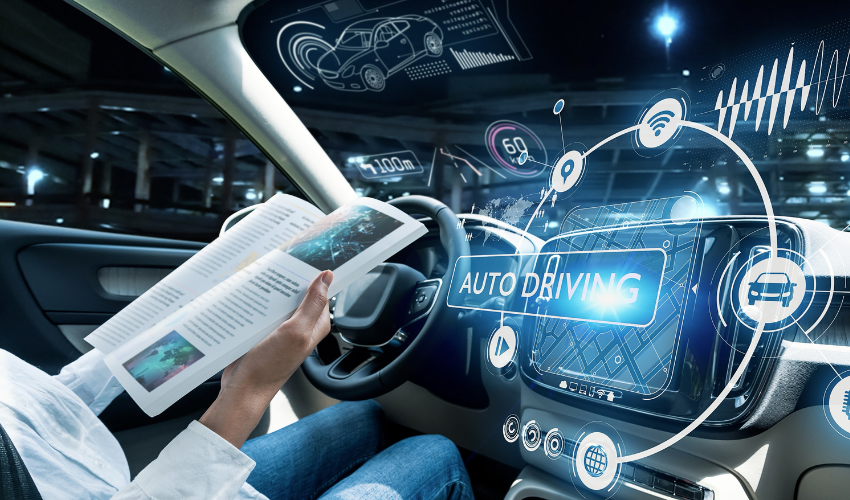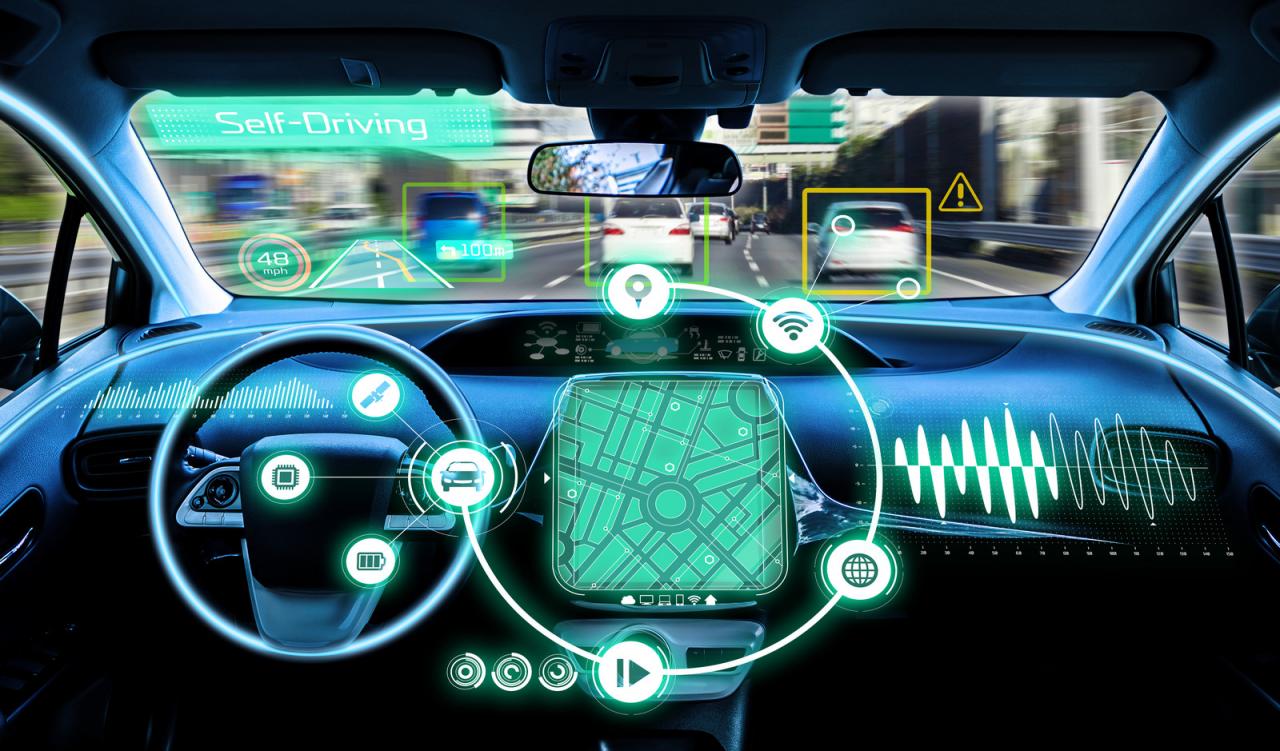
For a century, the automobile has been a symbol of freedom and independence, a machine designed to transport us from one place to another. Today, that definition is being fundamentally rewritten. The connected car is no longer just a vehicle; it’s a sophisticated, rolling digital hub, an integral part of our interconnected lives. It seamlessly integrates a wealth of technologies to enhance safety, convenience, and entertainment, transforming the act of driving into a personalized, intuitive, and highly interactive experience. This extensive article will delve deep into what defines the connected car, the key technologies that power this revolution, the profound impact it has on our daily lives, and the future innovations that are set to redefine our relationship with our vehicles.
The Connected Car Ecosystem
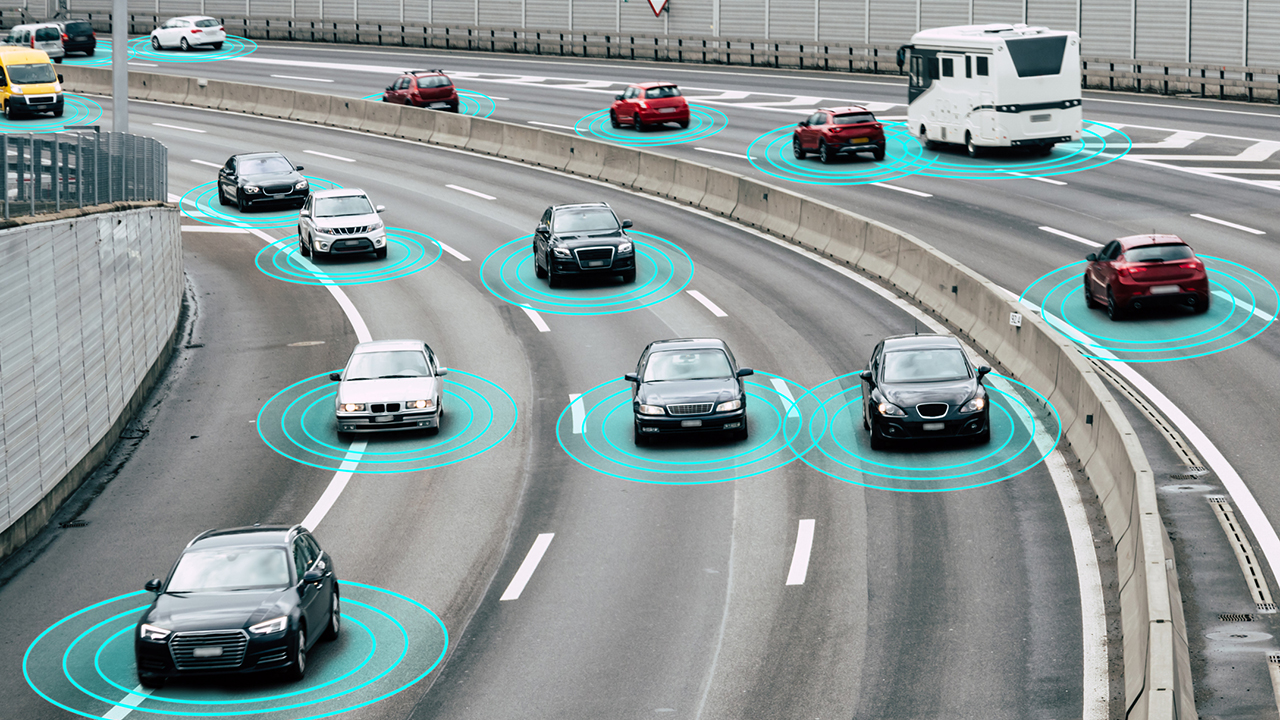
The connected car is a vehicle equipped with internet access and a range of communication technologies that allow it to interact with other devices, services, and the surrounding environment. This ecosystem is built on a foundation of sensors, advanced software, and a robust network that enables a constant flow of data. It’s a paradigm shift from a simple mechanical machine to a complex, data-driven system.
A. Vehicle-to-Everything (V2X) Communication:
This is the heart of the connected car. V2X allows a vehicle to communicate with its surroundings, creating a dynamic and intelligent network.
- V2V (Vehicle-to-Vehicle): This technology enables cars to “talk” to each other, sharing critical information such as speed, location, and braking events. This data exchange can prevent collisions by alerting drivers to hazards they cannot see.
- V2I (Vehicle-to-Infrastructure): V2I allows cars to communicate with road infrastructure like traffic lights, road signs, and parking meters. This can help optimize traffic flow, reduce congestion, and find available parking spaces more efficiently.
- V2P (Vehicle-to-Pedestrian): This technology uses sensors and mobile devices to detect pedestrians and cyclists, providing a crucial warning to the driver, especially in urban environments where visibility can be limited.
- V2N (Vehicle-to-Network): This is the communication between the car and a cellular network, which provides internet access for a host of services, from streaming music to over-the-air software updates.
B. In-Car Infotainment and User Experience:
The infotainment system is the primary interface for a connected car’s services. Modern systems are powered by large, high-resolution touchscreens and are designed for intuitive use.
- Seamless Smartphone Integration: Features like Apple CarPlay and Android Auto are now standard, allowing you to project your smartphone’s interface onto the car’s screen. This provides access to your favorite navigation, messaging, and music apps in a safe, hands-free format.
- Over-the-Air (OTA) Updates: This is a hallmark of a truly connected vehicle. OTA updates allow the manufacturer to remotely update the car’s software, adding new features, improving performance, and patching security vulnerabilities without the need for a trip to the dealership.
- Cloud-Based Services: Connected cars can access cloud-based services for a variety of tasks, from real-time traffic updates and weather forecasts to streaming media and personalized recommendations.
Safety and Security
One of the most significant benefits of the connected car is its ability to enhance safety. By leveraging real-time data and communication, these vehicles can help prevent accidents before they happen.
- A. Advanced Driver Assistance Systems (ADAS):These systems are the building blocks of autonomous driving and are a direct result of vehicle connectivity. They include features like adaptive cruise control, lane-keeping assist, and automatic emergency braking. These systems use sensors and real-time data to help the driver, reducing the risk of collisions and driver fatigue.
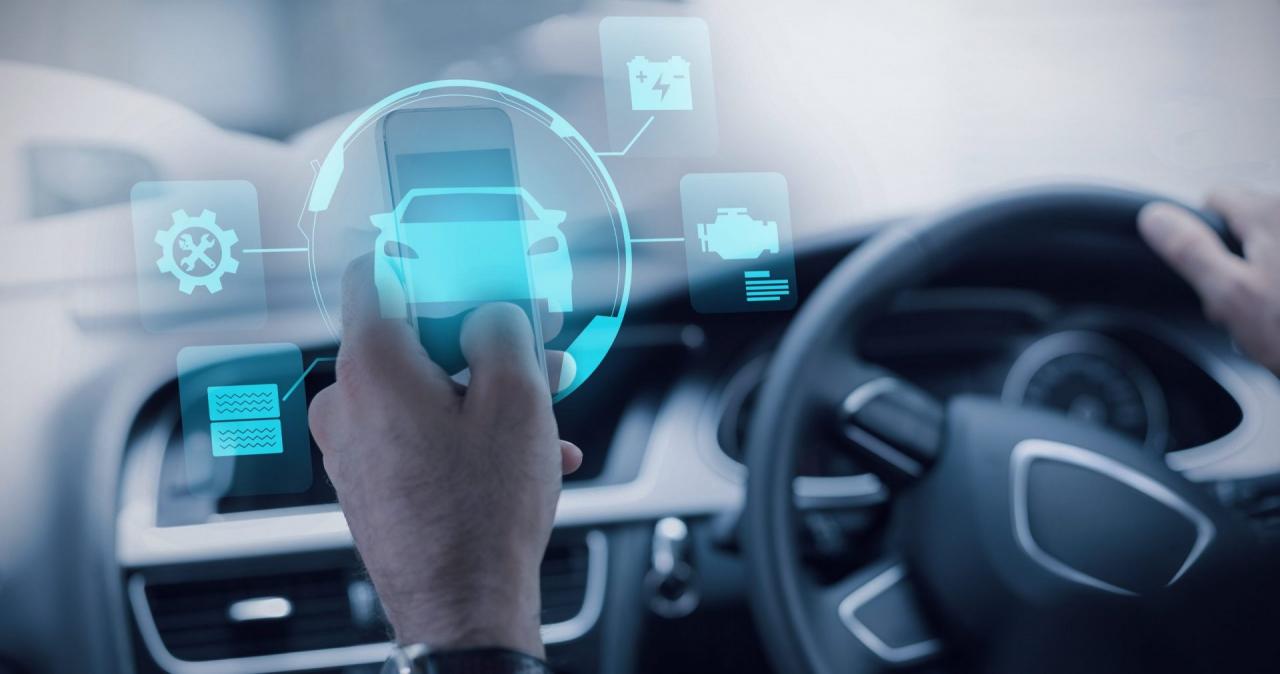
- B. Remote Diagnostics and Maintenance:A connected car can continuously monitor its own health. It can send alerts to the driver or the dealership about potential issues, such as low fluid levels or an impending component failure. This proactive approach to maintenance helps prevent breakdowns and ensures the vehicle is always in optimal condition.
- C. Enhanced Emergency Services:In the event of a crash, a connected car can automatically detect the impact and send a distress signal to emergency services, providing the vehicle’s location and critical data. This can significantly reduce response times and save lives.
The Convenience Revolution
The connected car is designed to integrate seamlessly into your digital life, making every journey more convenient and enjoyable.
- A. Personalization and Customization:A connected car can recognize the driver and automatically adjust settings such as seat position, mirror angles, and climate control. It can also remember your favorite radio stations, navigation destinations, and even your driving preferences, providing a truly personalized experience every time you get behind the wheel.
- B. Mobile App Integration and Remote Access:Most new cars come with a companion mobile app that allows you to interact with your vehicle remotely. You can lock or unlock the doors, start the engine to pre-condition the cabin, check the fuel level or battery charge, and even locate your car in a crowded parking lot, all from your phone.
- C. In-Car Commerce and Services:The connected car is becoming a platform for commerce. You can use your car’s infotainment system to pay for gas, order food, or book a reservation. The car’s data can be used to provide personalized offers and discounts based on your location and driving habits.
Top Examples of Connected Cars
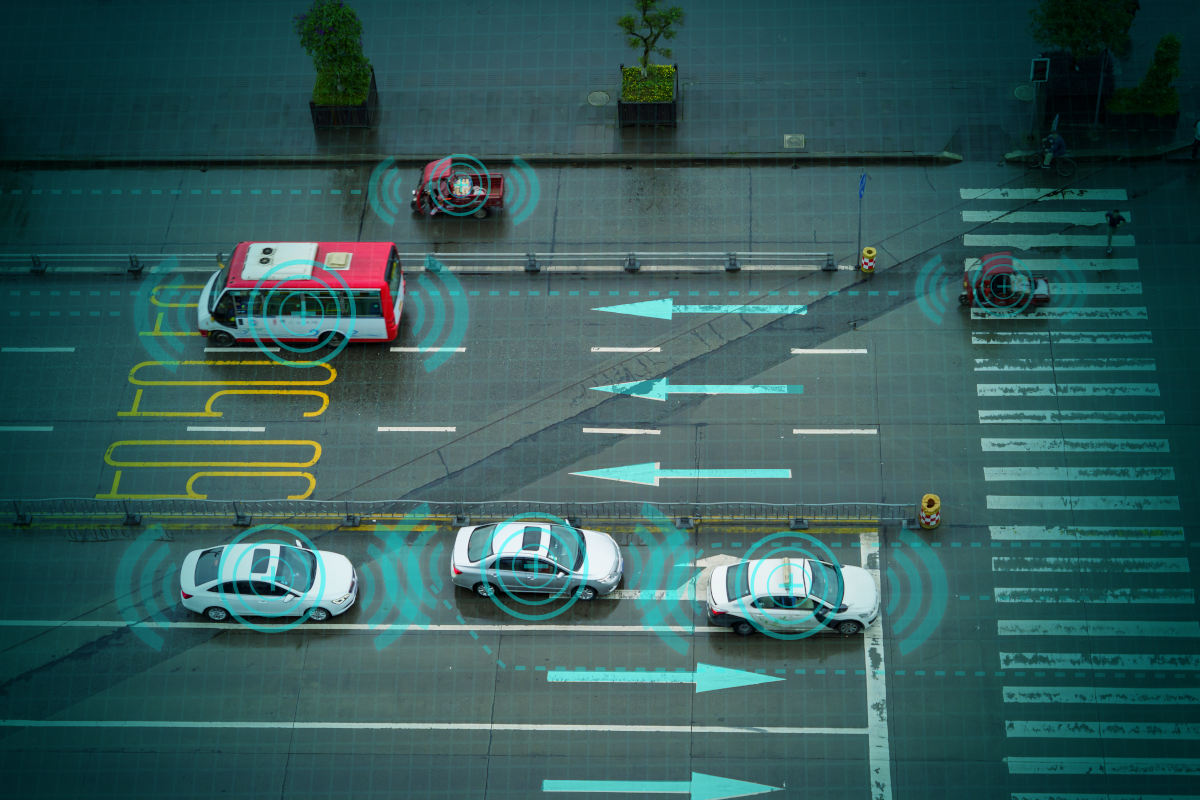
The connected car revolution is being led by a number of innovative manufacturers. Here are some of the top models that are at the forefront of this digital transformation.
1. Tesla Model S
The Tesla Model S is the quintessential connected car. Its massive, vertically oriented touchscreen and a software-first approach set a new industry standard. Tesla’s use of over-the-air (OTA) updates is legendary, as it allows the company to add new features and improve performance remotely. Its seamless integration with the Supercharger network and its advanced Autopilot system make it a truly connected and futuristic vehicle.
2. Mercedes-Benz EQS
The Mercedes-Benz EQS redefines in-car technology with its optional MBUX Hyperscreen, a massive 56-inch curved screen that spans the entire width of the dashboard. The MBUX system uses artificial intelligence to learn the driver’s habits and preferences, providing personalized suggestions and controls. The car is an elegant blend of luxury and cutting-edge technology.
3. Lucid Air
The Lucid Air is a newcomer that is challenging the status quo with its focus on luxury and technology. It features an expansive 34-inch 5K curved display that seamlessly integrates the instrument cluster and infotainment system. Its DreamDrive Pro is a comprehensive suite of ADAS technologies that uses a wide array of sensors, including LiDAR, to provide advanced driver assistance.
4. Hyundai Ioniq 5
The Hyundai Ioniq 5 offers a truly futuristic design that is matched by its impressive technology. Its interior features a pair of 12.3-inch screens for the instrument cluster and infotainment. The system is easy to use and responsive, and the car’s Vehicle-to-Load (V2L) capability allows you to use the car’s battery to power external devices, from a laptop to a campsite, making it a highly versatile and connected vehicle.
5. Ford Mustang Mach-E
The Ford Mustang Mach-E is a prime example of a legacy automaker successfully embracing connectivity. It features a large, vertically oriented touchscreen that controls most of the vehicle’s functions. The FordPass Connect system provides remote access via a mobile app, and the car’s software can be updated via OTA, ensuring that the car stays current and continues to improve over time.
What’s Next?
The connected car revolution is just beginning. The next few years will see even more incredible advancements. We can expect to see augmented reality dashboards become more commonplace, with more sophisticated projections that provide an even deeper level of immersion and information. The use of biometrics will also become more prevalent, with cars that can recognize the driver via facial recognition or fingerprint scanners to automatically adjust settings. The most significant development, however, will be the continued progress toward full autonomy, with more vehicles reaching Level 3 and 4 capabilities in controlled environments. The connected car will become a true extension of our digital lives, a device that understands our needs, anticipates our preferences, and provides a level of safety and convenience that was once confined to the pages of science fiction.
Conclusion
The connected car is no longer a futuristic concept; it is a tangible reality that is redefining our relationship with our vehicles. By integrating a vast network of technologies, from V2X communication to advanced infotainment systems, the modern car has been transformed from a mechanical machine into an intelligent, interactive, and highly personalized digital hub. This revolution is about more than just adding Wi-Fi to a car; it’s about creating a seamless ecosystem that enhances every aspect of the driving experience, from a safer commute to a more convenient and enjoyable journey.
The leaders in this space, such as Tesla, Mercedes-Benz, and Hyundai, are not just building cars; they are building sophisticated software platforms on wheels. Their commitment to features like over-the-air updates, intuitive digital cockpits, and advanced driver assistance systems is setting a new standard for the entire automotive industry. The benefits of this transformation are clear and compelling: a significant improvement in road safety, a reduction in the stress of daily commuting, and a new level of convenience that seamlessly integrates with our digital lifestyles.
Ultimately, choosing a connected car is an investment in a smarter, safer, and more efficient future. It’s about selecting a vehicle that is not only reliable and stylish but also a partner in your digital life. As technology continues to evolve, the connected car will only become more intelligent, more intuitive, and more indispensable. It is a win-win for both the consumer and the industry, paving the way for a future where mobility is not a chore but a seamless, connected, and highly personal experience.