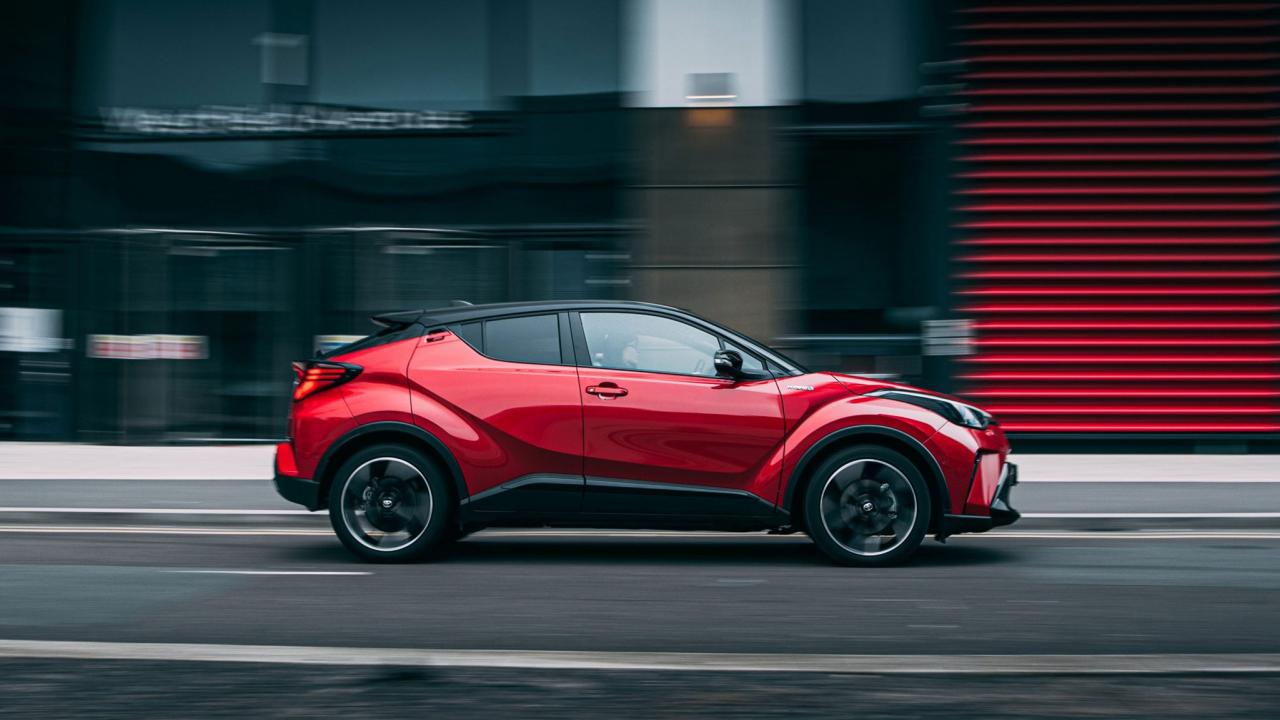
For over a century, the pursuit of fuel efficiency has been a driving force behind automotive innovation. From the earliest days of the automobile, engineers have strived to squeeze more miles out of every gallon of gasoline. Today, however, we are witnessing a complete reinvention of this pursuit. Fuel efficiency is no longer just about the internal combustion engine; it’s about a complex ecosystem of advanced powertrains, lightweight materials, aerodynamic design, and intelligent software. The rise of hybrid, plug-in hybrid, and electric vehicles has fundamentally changed the conversation, making fuel economy a topic that extends far beyond a simple miles-per-gallon (MPG) rating. This extensive article will delve into the technological marvels that are defining this new era, exploring the key innovations that are making vehicles more efficient than ever before, the different types of efficient vehicles available, and the profound impact this shift is having on consumers and the planet.
A Holistic Approach to Efficiency
The old approach to fuel efficiency was a focused effort on making the engine more effective. While that remains a crucial element, modern efficiency is a holistic engineering challenge that touches every part of a vehicle.
A. Aerodynamics
Air resistance is a major obstacle to fuel efficiency, especially at highway speeds. Automakers are now designing vehicles with incredibly sophisticated aerodynamics. This includes sculpted body lines, flush door handles, active grille shutters that open and close to manage airflow, and flat underbody panels. These design elements reduce drag, allowing the car to move through the air with less effort, which directly translates to improved fuel economy.
B. Lightweight Materials
The heavier a vehicle is, the more energy it takes to move. The new era of efficiency is defined by the use of lightweight materials such as high-strength steel, aluminum, and even carbon fiber. These materials provide the same or better structural integrity as traditional steel while significantly reducing the vehicle’s overall weight. This “lightweighting” strategy improves efficiency, handling, and performance all at once.
C. Smart Technology and Drivetrain Management
The modern car is a rolling computer, and software plays a huge role in optimizing efficiency. Intelligent engine control units (ECUs) constantly monitor and adjust fuel injection, ignition timing, and other parameters to ensure the engine is operating at peak efficiency. Furthermore, advanced drivetrains seamlessly manage the power from multiple sources, as seen in hybrid and electric vehicles, to maximize performance and minimize energy waste.
The Powertrain Revolution
The most significant change in the quest for fuel efficiency is the diversification of powertrains. The gasoline engine is no longer the only option. We now have a range of technologies that cater to different needs and driving styles.
- A. Hybrid Electric Vehicles (HEVs): Hybrids combine a gasoline engine with an electric motor and a small battery. They are masters of city driving, where they use regenerative braking to capture energy and rely on the electric motor at low speeds. The synergy between the two power sources results in a significant boost to MPG, making them an excellent choice for daily commuting.
- B. Plug-in Hybrid Electric Vehicles (PHEVs): PHEVs are a step closer to full electrification. They have a larger battery that can be recharged by plugging into an external power source. This allows them to drive for a significant distance—often 20 to 50 miles—on pure electric power, effectively eliminating gasoline use for short trips. Once the battery is depleted, the vehicle operates as a standard hybrid. PHEVs offer the best of both worlds, providing electric-only driving for daily commutes and the flexibility of gasoline for long journeys.
- C. Battery Electric Vehicles (BEVs): BEVs run solely on electricity, with zero tailpipe emissions. While they do not use any fuel in the traditional sense, their efficiency is measured in miles per kilowatt-hour (MPGe). The rise of BEVs is a testament to the new era of efficiency, as they represent the ultimate form of energy optimization, with electric motors being far more efficient at converting energy into motion than internal combustion engines.
- D. Diesel and Alternative Fuels: While diesel has seen a decline in some markets due to emissions concerns, modern clean diesel technology offers incredible fuel efficiency and high torque. Additionally, the development of alternative fuels like hydrogen (in fuel cell electric vehicles) is a long-term goal for the industry, offering the promise of high efficiency with zero emissions.
Top Vehicles Leading the Charge in Efficiency
The marketplace is now full of vehicles that exemplify this new era of efficiency. They are not just about small, compact cars; they represent every segment, from sedans and SUVs to pickup trucks.
1. The Toyota Prius
The Toyota Prius is the undisputed icon of fuel efficiency. The latest models continue to push boundaries, with an updated, sleek design and impressive MPG ratings. The Prius’s parallel hybrid system is a proven technology that has been refined over decades to provide seamless power delivery and unbeatable efficiency. It remains a top choice for buyers who prioritize fuel economy and reliability above all else.
2. The Hyundai Ioniq Hybrid
The Hyundai Ioniq Hybrid is a direct and formidable competitor to the Prius. It offers a more conventional-looking design and a refined driving experience while delivering class-leading fuel economy. Hyundai’s commitment to providing a top-tier hybrid experience is further demonstrated by its generous warranty, which includes a lifetime battery warranty, providing immense peace of mind.
3. The Toyota RAV4 Hybrid
For families and adventurers, the Toyota RAV4 Hybrid is a prime example of efficiency meeting utility. It takes the best-selling SUV and adds a highly efficient hybrid powertrain that not only improves fuel economy but also provides a power boost. The standard all-wheel drive and a reputation for reliability make it a perfect blend of practicality and efficiency.
4. The Ford Maverick Hybrid
The Ford Maverick Hybrid has shaken up the truck market by offering a compact, incredibly fuel-efficient pickup. Its standard hybrid powertrain delivers impressive city MPG, making it the perfect choice for buyers who need the versatility of a truck for light hauling but don’t want the high fuel costs of a full-size model. It proves that efficiency is not limited to sedans and SUVs.
5. The Tesla Model 3
As a full EV, the Tesla Model 3 is a masterclass in efficiency. Its electric powertrain is inherently more efficient than any gasoline engine, and its aerodynamic design, low rolling resistance tires, and lightweight structure all contribute to a remarkable range. The Model 3 showcases how a holistic design approach can create a vehicle that is not only a performance beast but also a paragon of energy efficiency.
6. The Chevrolet Bolt EUV
The Chevrolet Bolt EUV offers a practical, affordable, and incredibly efficient all-electric package. With a long-range battery and a spacious interior, it serves as an excellent daily driver for city and suburban commuters. Its simple, no-frills approach to EV design focuses on what matters most: range, utility, and a low operating cost.
Changing Our Driving Habits and Culture
The new era of fuel efficiency is not just about technology; it’s about a cultural shift in how we view transportation. As vehicles become more efficient, the focus moves from the cost of a fill-up to the total cost of ownership and the environmental impact of every journey.
- A. The Rise of the Proactive Consumer:Today’s consumer is more educated than ever. They are using online tools and resources to calculate total cost of ownership, compare MPG ratings, and factor in potential government incentives for EVs and hybrids. This proactive approach is pushing automakers to constantly innovate and provide more efficient options.
- B. A Cleaner, Quieter World:The proliferation of efficient vehicles, especially hybrids and BEVs, is having a tangible impact on our cities. Reduced tailpipe emissions contribute to cleaner air, and the quiet operation of electric powertrains makes for a more peaceful urban soundscape.
- C. The End of Range Anxiety (for Most):With PHEVs offering electric-only ranges for daily commutes and BEVs now achieving 300+ miles on a single charge, the fear of running out of power is becoming a thing of the past. The expanding charging infrastructure, coupled with faster charging speeds, is making a fully electric lifestyle more practical than ever.
- D. Government Regulations and Incentives:Governments around the world are playing a crucial role by implementing stricter fuel economy standards and offering financial incentives for consumers who buy efficient vehicles. These policies are accelerating the transition away from fossil fuels and are a powerful catalyst for innovation.
Conclusion
The era of fuel efficiency has moved far beyond a simple measure of miles per gallon. It has evolved into a sophisticated, multi-faceted engineering discipline that is reshaping the automotive landscape from the ground up. The combination of lightweight materials, advanced aerodynamics, and intelligent software has created a new class of vehicles that are not only more efficient but also safer and more enjoyable to drive. The powertrain revolution, with the proliferation of hybrids, PHEVs, and battery electric vehicles, offers consumers a range of options that cater to every need, from the urban commuter looking for maximum efficiency to the family seeking a blend of utility and eco-consciousness.
The vehicles that are leading this charge—from the iconic Toyota Prius and the versatile Toyota RAV4 Hybrid to the groundbreaking Ford Maverick and the revolutionary Tesla Model 3—are not just a glimpse into the future; they are the standard bearers for today. They prove that efficiency no longer means a compromise on performance, style, or practicality. In fact, in many cases, it enhances them. This shift is not just about technology; it is about a cultural transformation, driven by an educated consumer base and supported by a global commitment to a cleaner, more sustainable world.
Ultimately, investing in a highly fuel-efficient vehicle is one of the smartest decisions a consumer can make. It is an investment that pays off not only at the gas pump but also in lower maintenance costs, a lower environmental footprint, and a higher resale value. As technology continues to advance, we can expect even greater leaps in efficiency, with innovations like solid-state batteries and improved charging infrastructure further cementing the dominance of electrified powertrains. The new era of fuel efficiency is a win-win for everyone involved: it benefits the consumer with significant savings, the industry with new opportunities for innovation, and the planet with a cleaner, more sustainable future.