The automobile has been a symbol of personal freedom and innovation for over a century. From the internal combustion engine that powered the first mass-produced cars to the advances in safety and comfort we enjoy today, the industry has constantly evolved. However, the next decade promises a transformation more profound than any we have witnessed before. We are on the cusp of a revolution where cars will no longer be mere mechanical machines but intelligent, connected, and autonomous devices. This shift is being driven by breakthroughs in artificial intelligence (AI), sensor technology, connectivity, and electrification. This extensive article will delve deep into the technological marvels that are shaping the future of driving, exploring the key components of tomorrow’s vehicles, the implications for our daily lives, and the challenges that must be overcome to fully realize this vision.
The Three Pillars of the Automotive Revolution
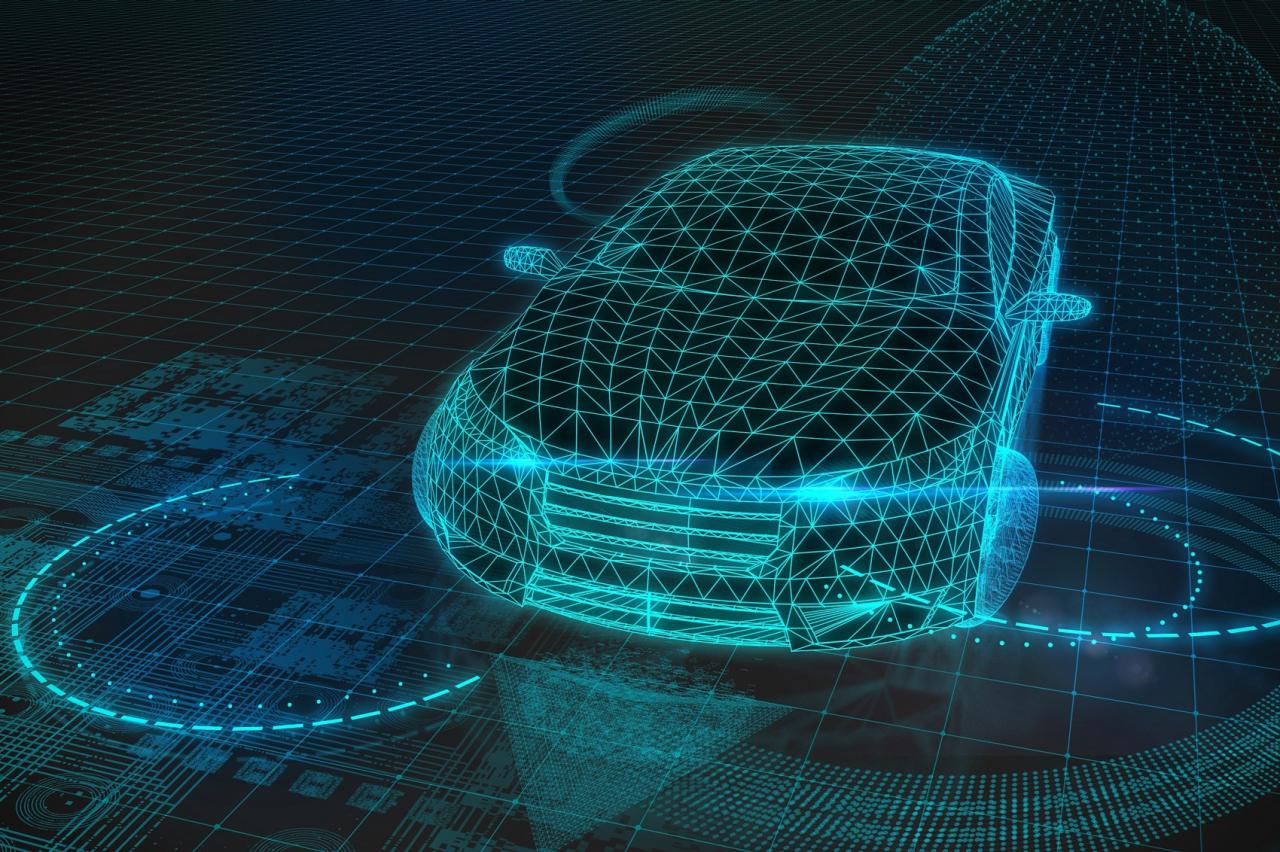
The future of driving can be understood through three interconnected pillars: autonomy, electrification, and connectivity. Each of these areas is progressing at a rapid pace, and their synergy will create a driving experience that is safer, more efficient, and more convenient than ever before.
A. Autonomous Driving
This is perhaps the most exciting and talked-about aspect of the automotive future. The journey to fully autonomous vehicles is a gradual one, defined by a hierarchy of five levels.
- Level 0: No Automation. This is the classic car, with no automated driving features. The human driver is in full control.
- Level 1: Driver Assistance. Features like adaptive cruise control and lane-keeping assist help the driver, but the human is still responsible for all critical actions.
- Level 2: Partial Automation. The car can control steering, acceleration, and braking in specific scenarios (e.g., on a highway). The driver must remain attentive and be ready to take over at any time. Features like Tesla’s Autopilot and GM’s Super Cruise fall into this category.
- Level 3: Conditional Automation. The car can handle all aspects of driving under certain conditions (e.g., on specific highways or in traffic jams). The driver can take their eyes off the road but must be ready to intervene when prompted by the vehicle.
- Level 4: High Automation. The vehicle can perform all driving functions in a defined area (e.g., a city or a geo-fenced region) without human intervention. The driver is not required to be attentive.
- Level 5: Full Automation. The car is capable of driving anywhere, in any condition, without a human driver. This is the ultimate goal, and it will fundamentally change how we use vehicles.
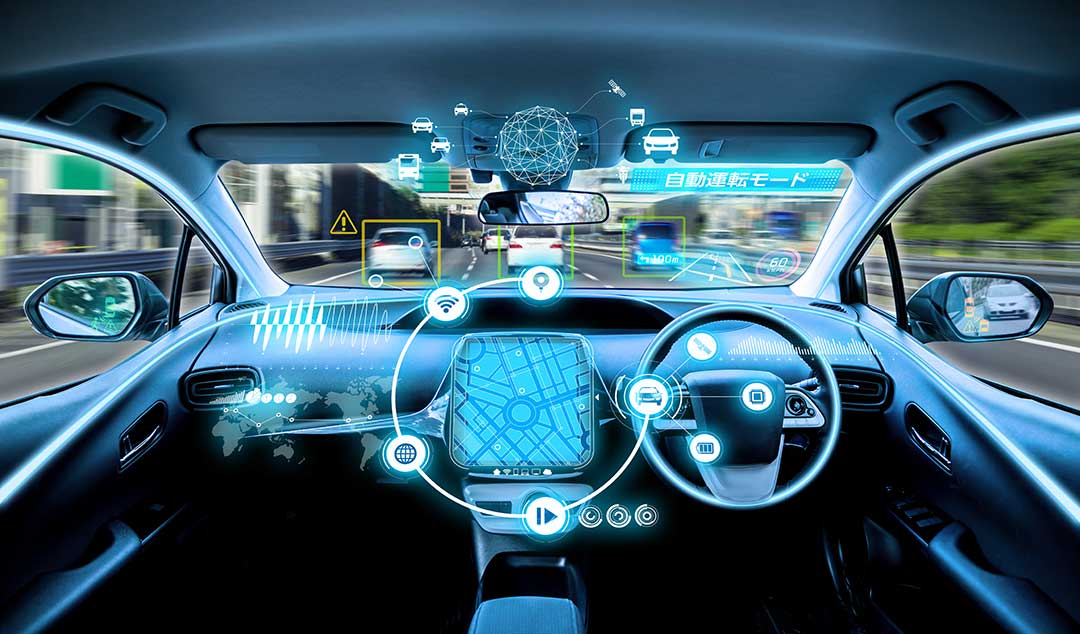
The technology behind this includes a complex array of sensors such as cameras, radar, and LiDAR, which create a 360-degree digital map of the car’s surroundings. This data is then processed by a powerful onboard computer running sophisticated AI algorithms that make instantaneous decisions, mimicking and improving upon human reaction times. The implementation of self-driving taxis and autonomous delivery vehicles in select cities is a clear sign that this technology is no longer science fiction.
B. Electrification
The move away from fossil fuels is a global imperative, and the automotive industry is leading the charge with electric vehicles (EVs). The future of driving is silent, clean, and powered by batteries.
- Battery Technology: The heart of an EV is its battery. Innovations in solid-state batteries are on the horizon, promising greater energy density, faster charging times, and improved safety. This will dramatically increase a vehicle’s range and make EVs even more practical for long-distance travel.
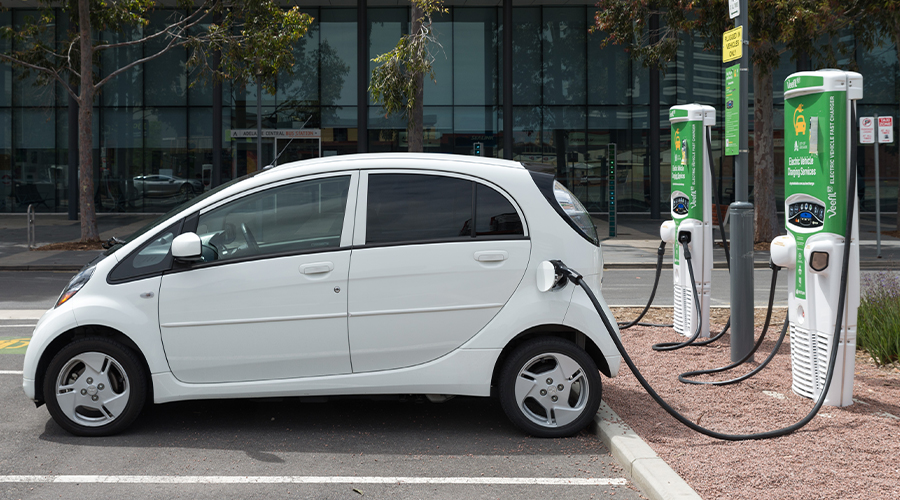
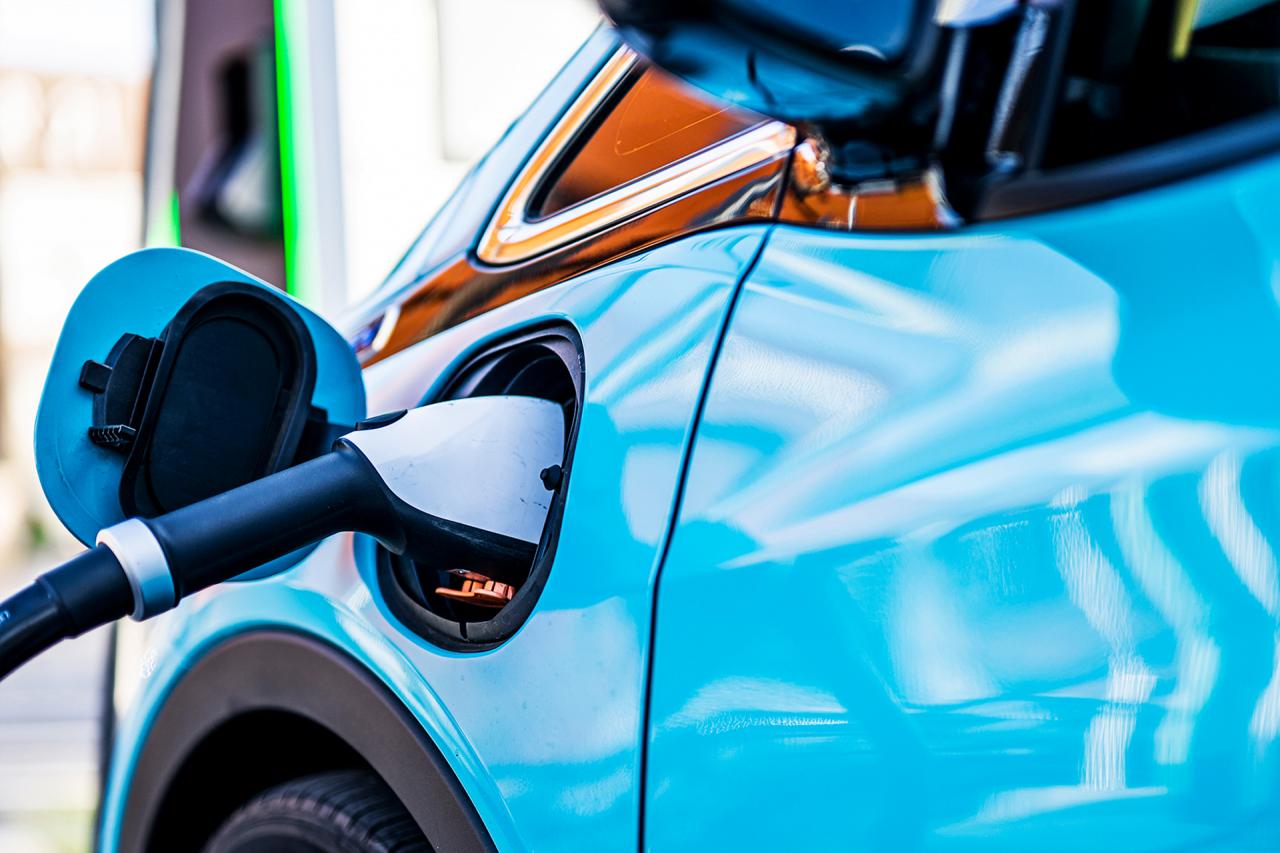
- Charging Infrastructure: A robust and ubiquitous charging network is crucial for mass EV adoption. The development of high-speed chargers and the standardization of charging plugs are key priorities. The emergence of wireless charging for vehicles will also add a layer of convenience, allowing cars to be charged simply by parking over a pad.
- Vehicle-to-Grid (V2G) Technology: This is a revolutionary concept where EVs can not only draw power from the grid but also send it back. During periods of peak energy demand, thousands of parked EVs could collectively act as a massive battery, stabilizing the power grid and generating revenue for their owners.
The advantages of electrification are undeniable: zero tailpipe emissions, lower maintenance costs due to fewer moving parts, and instant torque that provides exhilarating performance.
C. Connectivity
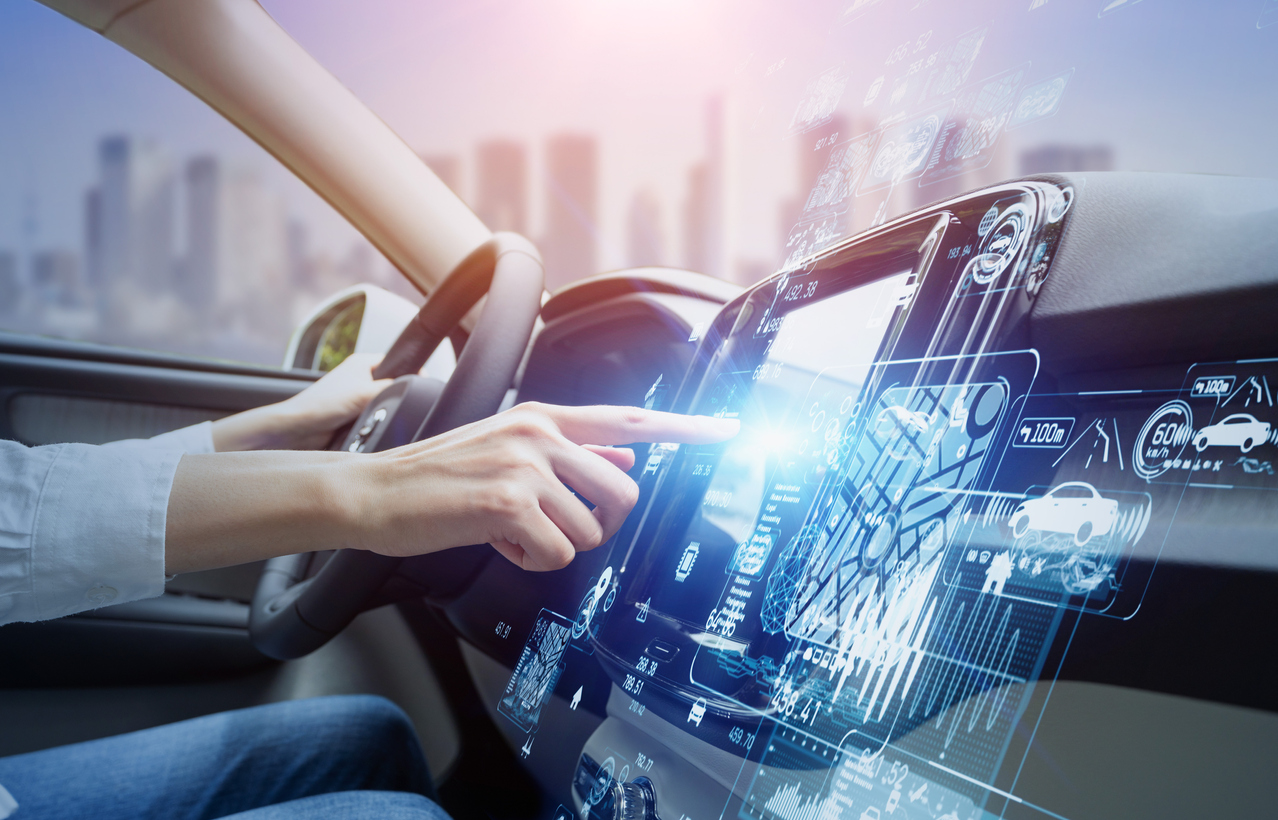
Tomorrow’s cars will be an integral part of our digital lives, constantly connected to the internet, to each other, and to the surrounding infrastructure. This is made possible by 5G technology, which offers unprecedented speed and low latency.
- Vehicle-to-Everything (V2X) Communication: This includes V2V (Vehicle-to-Vehicle), V2I (Vehicle-to-Infrastructure), and V2P (Vehicle-to-Pedestrian) communication. V2V allows cars to “talk” to each other, sharing information about speed, location, and potential hazards, preventing collisions before they happen. V2I enables cars to communicate with traffic lights and road sensors to optimize traffic flow and reduce congestion. V2P can alert drivers to pedestrians or cyclists, even when they are not in the line of sight. This constant flow of information will create a safer and more efficient transportation network.
- Over-the-Air (OTA) Updates: Just like your smartphone, tomorrow’s cars will be able to receive software updates remotely. This allows automakers to improve performance, add new features, and patch security vulnerabilities without the need for a trip to the dealership. This “software-defined vehicle” model will keep cars relevant and up-to-date throughout their lifespan.
- In-Car Infotainment: The infotainment system will evolve from a simple music player and navigation tool to a full-fledged digital assistant. It will be able to make restaurant reservations, schedule appointments, and provide personalized recommendations based on your preferences and location.
The Challenges and the Road Ahead
The path to this futuristic reality is not without its obstacles. Several significant challenges must be addressed for this vision to be fully realized.
- A. Cybersecurity: With cars becoming increasingly connected, they become vulnerable to cyberattacks. Protecting a vehicle’s network and data from hackers is a top priority for automakers and regulators. Robust encryption and multi-layered security protocols are essential to ensure the safety of passengers and data.
- B. Regulatory and Legal Frameworks: The current legal system is not equipped to handle the complexities of autonomous vehicles. Questions of liability in the event of an accident, data privacy, and ethical programming of AI must be addressed with clear and comprehensive regulations.
- C. Public Trust and Acceptance: Convincing the public that a machine can be a safer driver than a human is a major challenge. The industry must work to build trust through transparent technology, public education, and a flawless safety record.
- D. Cost and Accessibility: The cutting-edge technologies discussed here are currently expensive. For mass adoption, the cost of these components must come down significantly. Economies of scale and technological breakthroughs will play a crucial role in making these vehicles accessible to a broader consumer base.
The Human Element
As cars become more autonomous, the role of the driver will fundamentally change. The focus will shift from the mechanics of driving to the experience within the vehicle. Interiors will be redesigned to be more flexible, transforming into mobile offices, entertainment lounges, or serene spaces for relaxation. The time previously spent driving can be used for work, leisure, or connecting with loved ones. This evolution will not just change cars; it will change our relationship with them.
The future of driving is not just about technology; it’s about the profound impact this technology will have on society. It holds the promise of fewer traffic accidents, reduced congestion, and a cleaner environment. It will empower the elderly and people with disabilities with a new level of mobility and independence. While the challenges are significant, the potential benefits are immense. We are entering an era where the act of driving will be redefined, not as a task to be performed, but as an experience to be enjoyed. The journey ahead is a thrilling one, and tomorrow’s cars will be our trusted companions every step of the way.
Conclusion
The automotive industry is on the brink of an unprecedented transformation, driven by a convergence of advanced technologies that are reshaping the very concept of a car. The future of driving is a synthesis of autonomy, electrification, and connectivity, each a revolutionary force in its own right. The journey towards fully autonomous vehicles, while gradual, is powered by a sophisticated network of sensors and AI that promises to eliminate human error and dramatically reduce traffic accidents. The global shift towards electrification, fueled by advancements in battery technology and a growing charging infrastructure, is paving the way for a cleaner, quieter, and more sustainable transportation ecosystem. Furthermore, the integration of 5G and V2X communication will connect vehicles to their surroundings in ways we are only beginning to imagine, creating a harmonious and efficient flow of traffic that could alleviate the persistent problem of urban congestion.
This revolution is not without its hurdles. The ethical and legal complexities of self-driving cars, the critical need for robust cybersecurity measures, and the challenge of making these technologies affordable to the masses are all significant obstacles that the industry and governments must collaboratively address. However, the potential rewards—a world with fewer fatalities on the road, a cleaner environment, and a more equitable and accessible transportation system—are well worth the effort. The car of the future is an intelligent co-pilot, a mobile hub for work and leisure, and a key component of a smarter, more interconnected society. It represents a paradigm shift from simply getting from point A to point B to a seamless, safe, and enriching experience.
Ultimately, the driving technology of tomorrow is about more than just building better vehicles; it’s about reimagining how we live, work, and interact with the world around us. It is a bold vision that promises to solve some of the most pressing challenges of our time, from climate change to traffic safety. As we move forward, the relationship between human and machine will evolve, with technology not replacing the driver but rather elevating the entire experience. The road ahead is long, but with each innovation, we are one step closer to a future where driving is not a chore but a privilege, an experience defined by safety, sustainability, and unparalleled convenience.